

Greebo Isn't the Problem
Greebo.
A collection of articles exploring reptile and amphibian care through real observation, lived experience, and the occasional unexpected moment where nothing quite goes to plan.
Here you’ll find practical husbandry insight, behavioural thinking, and stories from working with animals as individuals — not averages or textbook examples.
Not everything in reptile keeping fits neatly into a care sheet, and not every animal behaves the way it’s “supposed” to. These pieces explore what actually happens when theory meets reality — from everyday husbandry to behavioural surprises, odd personalities, and the moments that force you to rethink what you thought you knew.
Whether you’re starting out or refining advanced practice, this is care written from the enclosure, not the lecture hall.
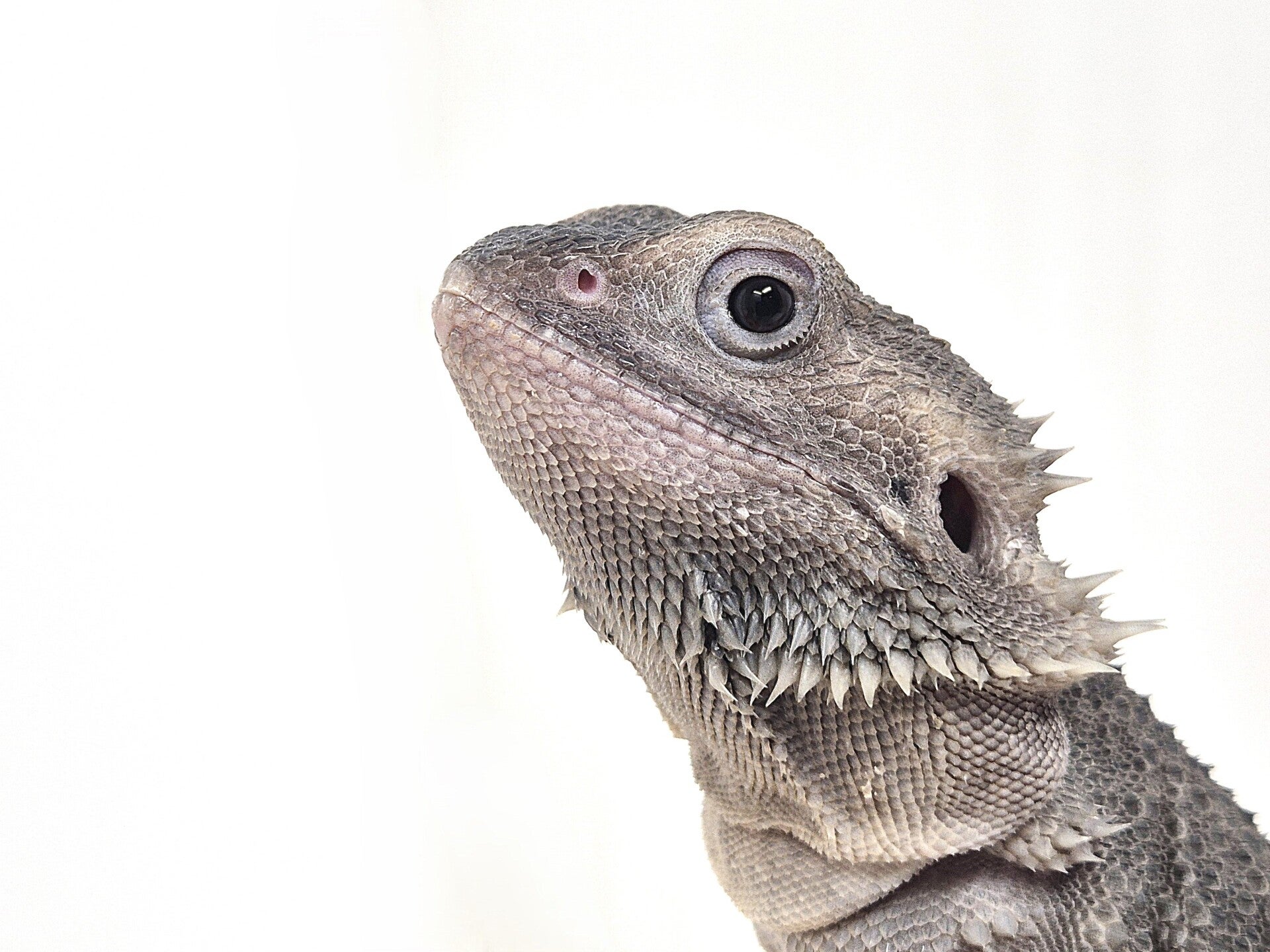
Bearded Dragon - Pogona vitticeps
Welcome to Tales from the Vivarium — a collection of stories, observations and occasional moments of complete confusion from the world of reptile and amphibian keeping.
Not every lesson comes from a textbook and not every animal reads the care sheet. Sometimes they surprise us, challenge what we think we know or simply leave us standing in front of an enclosure saying, “...huh?”
Here you’ll find honest, entertaining and thoughtful articles exploring the individuality, quirks and unexpected moments that make keeping these incredible animals so rewarding.
Expect observations, unusual behaviours, fascinating facts and the occasional tale that proves reptiles are every bit as strange, expressive and characterful as the rest of us.
4 Jul 2026 12:00
Greebo.
3 Jul 2026 14:45
You've heard me talk about Agnes' paddock before, and it is quite the show. But if you're imagining a beautiful grazing area occupied by nothing but tortoises quietly going about their day, I'd like to apologise in advance.
2 Jul 2026 15:31
Scratch and Shelby are Leopard Tortoises (Stigmochelys pardalis), a species that can claim two rather impressive titles: the fourth largest tortoise in the world and, perhaps surprisingly, the fastest. Looks can be deceiving. Not Scratch and Shelby specifically—the species as a whole.
2 Jul 2026 10:28
Bruce.
22 Jun 2026 11:34
The funny thing about sulcata tortoises is that they are frequently sold as though they are large versions of Mediterranean tortoises or worse – mobile garden furniture.
21 May 2026 13:02
If you owned a tortoise in Britain in the 1980s, there was a fair chance it lived in the hallway, ate a suspicious amount of iceberg lettuce, and spent most of its life wandering purposefully towards the nearest skirting board.
21 May 2026 12:59
Royal pythons, also known as ball pythons, have a reputation for being calm, gentle, and about as dramatic as a sleepy sock.
21 May 2026 12:56
If you’ve never met a bearded dragon, you might assume they’re just scaly decorations that occasionally blink, eat too much and sit under a heat lamp like tiny sunbathers.
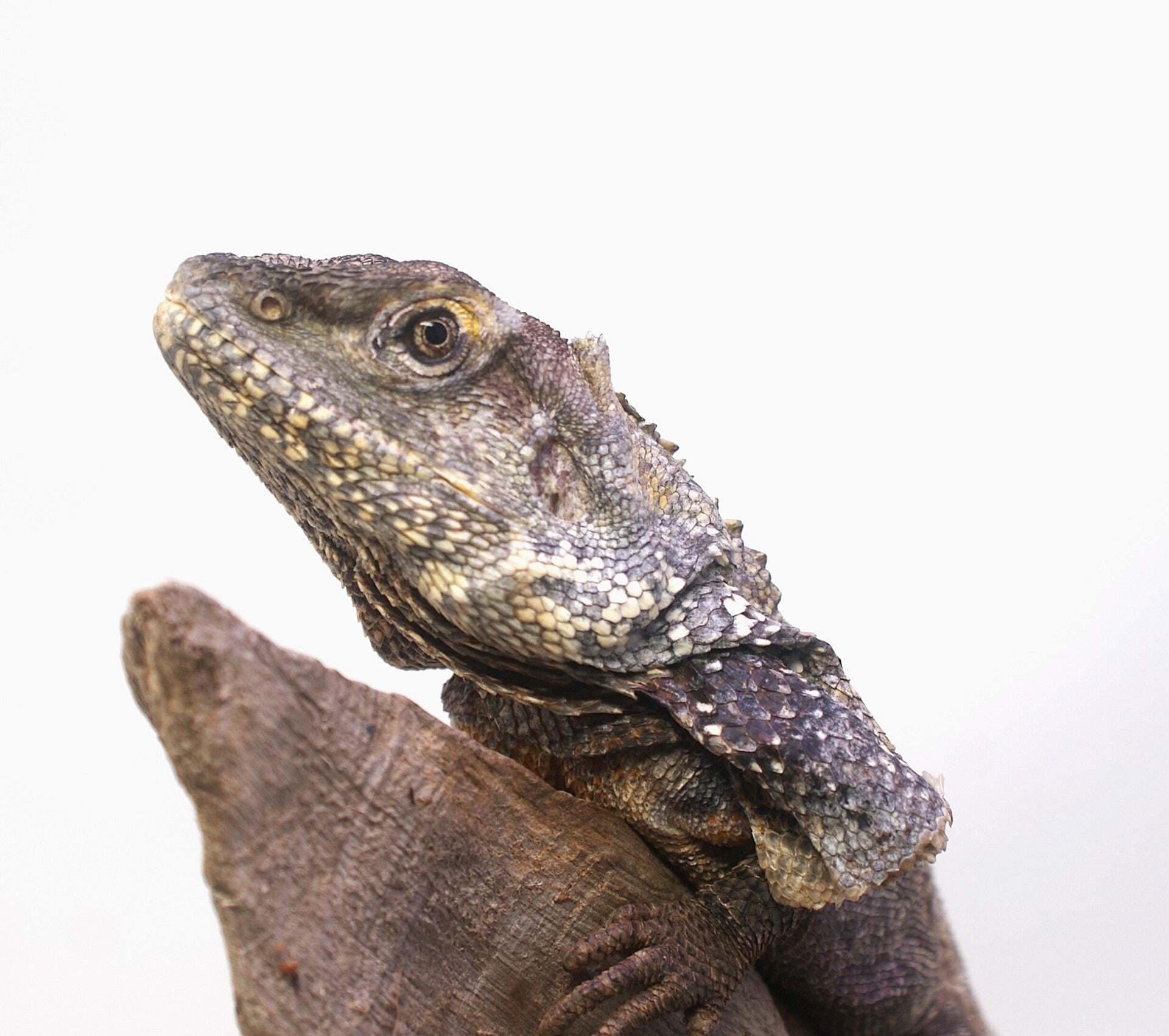
Gizmo the Frilled Lizard - Chlamidosaurus kingii
Real animals. Real observations. Real husbandry.
This section explores the stories of the animals that have challenged, taught, and changed the way we think about reptile keeping. Through rescue journeys, behavioural observations, and long-term rehabilitation, these articles bridge natural history with practical husbandry and explore what happens when theory meets the individual.
From Perry redefining expectations of Royal Python care, to Gizmo teaching lessons in adaptation and quality of life, these case studies offer honest reflections, practical insights, and the reminder that animals don’t always read care sheets.
New case studies will be added regularly as our collection — and our understanding — continues to grow.
4 Jul 2026 15:14
There comes a point with every species I've worked with where I stop thinking I understand them quite as well as I thought I did.
3 Jul 2026 13:01
The name Kaos will always stay with Penny and me. It represents one of our greatest successes, but it's also a name that still gives me a slight shiver.
2 Jul 2026 10:23
Gizmo.
2 Jul 2026 10:21
Two years and 3 days ago, Penny and I rescued a, at the time, 8kg 6-year-old sulcata tortoise named Agnes. She is now a shade over 20kgs, and she’s just turned 8 years old. But it was not plain sailing from the word “go”. I originally constructed the paddock itself using 65 feet of fencing, giving approximately 260 square feet of space, a pond, several shaded areas and I also built a fully functional, thermostatically controlled all weather basking/hotbox with built in UV lighting. All on timers and self-contained – night time temperatures not dropping below 24 degrees Celsius – and UV’s turning off after 11 hours. Everything was set for this desert tortoise to come in and have a whale of a time eating all the grass and digging holes. That’s because as a grazing species, sulcatas are easy right….. yeah. That went well.
2 Jul 2026 10:20
In this article, I’ll describe how my beloved Royal Python, Perry — one of my earliest rescues — came into my life and quietly dismantled almost everything I thought I knew about the species, Python regius.
2 Jul 2026 10:19
I knew boas. Or at least, I thought I did.
2 Jul 2026 10:17
What behaviour have I seen in captivity that made me stop and think:
2 Jul 2026 10:16
Before anyone sharpens their pitchforks - there is absolutely nothing wrong with care sheets.
2 Jul 2026 10:15
So how did I end up with a mid-sized, snail-crunching anole that dresses up as another species?
2 Jul 2026 10:12
As keepers, we’ve all heard the phrase before - “Don’t worry, that’s perfectly normal.” and usually, hearing it feels good.
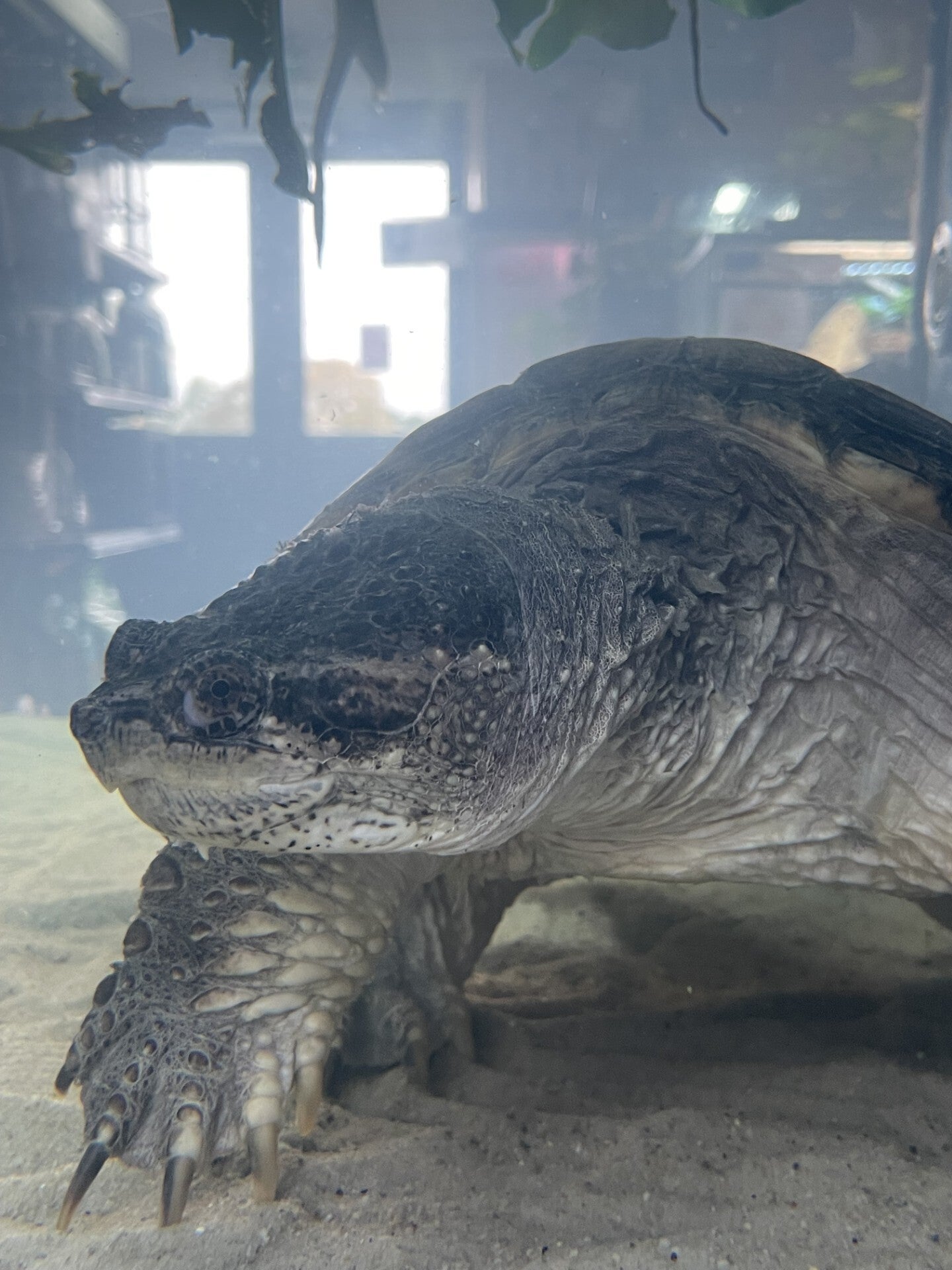
Common Snapping Turtle - Chelydra serpentina
Great husbandry begins long before the enclosure. Our articles combine natural history, field observations and current scientific understanding to explore how reptiles and amphibians live in the wild—and how those insights can improve captive care. From seasonal diets and environmental selection to lighting, heating and behavioural ecology, we turn complex science into practical husbandry that puts animal welfare first.
3 Jul 2026 16:50
Natural.
22 Jun 2026 16:42
For decades, captive husbandry of the central bearded dragon (Pogona vitticeps) has been shaped primarily by practical experience and the requirements of maintaining animals successfully in controlled environments. While this has produced generally effective care standards, field observations from Australia continue to demonstrate that wild bearded dragons occupy more complex ecological conditions than simplified captive models often suggest.
22 Jun 2026 11:32
Crested geckos (Correlophus ciliatus) are often described in captivity as highly adaptable, fruit-focused arboreal reptiles that occupy consistently warm and humid rainforest environments. However, observations from the 2025 Blue River field expedition in New Caledonia suggest a more nuanced picture. Rather than occupying a single ecological niche, wild crested geckos appear to respond dynamically to seasonal variation, local microclimates, and fluctuating food availability.
21 May 2026 12:50
The question of whether reptile keeping is ethical has become increasingly prominent in recent years, as advances in animal welfare science and herpetology challenge long-held assumptions about these animals. Once viewed as simple, low-maintenance pets — essentially “a pet rock with ambitions” — reptiles are now understood to have complex environmental, physiological, and behavioural needs. This shift in understanding has reframed the ethical debate, moving it beyond personal preference and into the realm of welfare science. Rather than yielding a straightforward answer, current research suggests that reptile keeping exists on a spectrum of ethical acceptability, determined largely by the quality of care provided and the systems that support it.
21 May 2026 12:35
Ah yes, the age-old question: does your reptile love you, or are you simply a warm, food-dispensing object with legs?
20 May 2026 20:53
Welcome to the Article Library—a collection of stories, case studies and behavioural insights born from working with reptiles and amphibians as individuals, not averages. Whether it's a bullsnake stealing a phone, a lizard challenging the laws of physics or a deeper look at the science behind husbandry, every article starts with observation and ends with a lesson.
2 Jul 2026 09:59
Reptiles are often advertised as the perfect low-maintenance pets. According to the internet, owning a reptile is apparently as simple as putting a lizard in a tank, adding a decorative branch, and occasionally tossing in a cricket like some kind of tiny gladiator match.
2 Jul 2026 09:57
So… how much does a reptile actually cost?
2 Jul 2026 09:55
Reptiles can make fascinating and rewarding pets. From their unique behaviours to their beautiful patterns and colours, they offer a very different experience compared with traditional pets like dogs or cats. However, reptiles also have very specific needs. Starting responsibly ensures both the animal’s welfare and a positive experience for the keeper.
2 Jul 2026 09:53
Keeping reptiles can be an incredibly rewarding experience. From the calm curiosity of a leopard gecko, the localised chaos of an anole colony to the striking beauty of a corn snake, reptiles make fascinating pets. However, many new reptile owners unintentionally make mistakes that can affect their pet’s health and wellbeing. Unlike more common kept pets such as cats, dogs and guinea pigs, reptiles have very specific environmental and dietary needs. Understanding these requirements is key to successful reptile care.
29 Jun 2026 13:38
For many people, myself included, reptiles and birds feel like opposites.
25 Jun 2026 16:58
A few weeks ago, I took in a rehomed leopard gecko.
22 Jun 2026 13:00
With the country caught in the most severe heatwave since 2022, some of us nutty herpetoculturists are asking the same question: what do we do with our animals during this time?
21 Jun 2026 11:22
This is a point of contention within this hobby at the moment. Herpetoculture has grown exponentially over the last 20 years with now more than 1 million people across the country keeping a reptile, amphibian or invertebrate. That’s 5% of the population with a direct interest in more exotic pets.
15 Jun 2026 14:56
With a reputation somewhere between “ideal beginner large snake” and “small fire hose with scales,” the common boa — Boa imperator — has become one of the most recognisable snakes in captivity.
15 Jun 2026 14:30
This is always a tough one to answer. As I cannot – ever – turn down a rescue, me and my dear Penny are pretty much overrun with geckos with 3 feet, dragons with muscular dystrophy, garter snakes with neurological issues, royal pythons with genetic deformities and not a single one of our 17 snakes has a leg between them. We always end up with the special ones!
11 Jun 2026 11:22
Another fun article. Are exotic vets actually any good? Is it reasonable to remortgage your house to afford a vet bill? More importantly, do the vets actually know what they're talking about?
8 Jun 2026 20:43
This is going to be fun.
If you can't find what you are looking for, or want to discuss your unique herpetology needs, please get in touch with us. We are here to help.