

Suffering the Corn Snake
It's an odd title for an article about reptiles, isn't it?
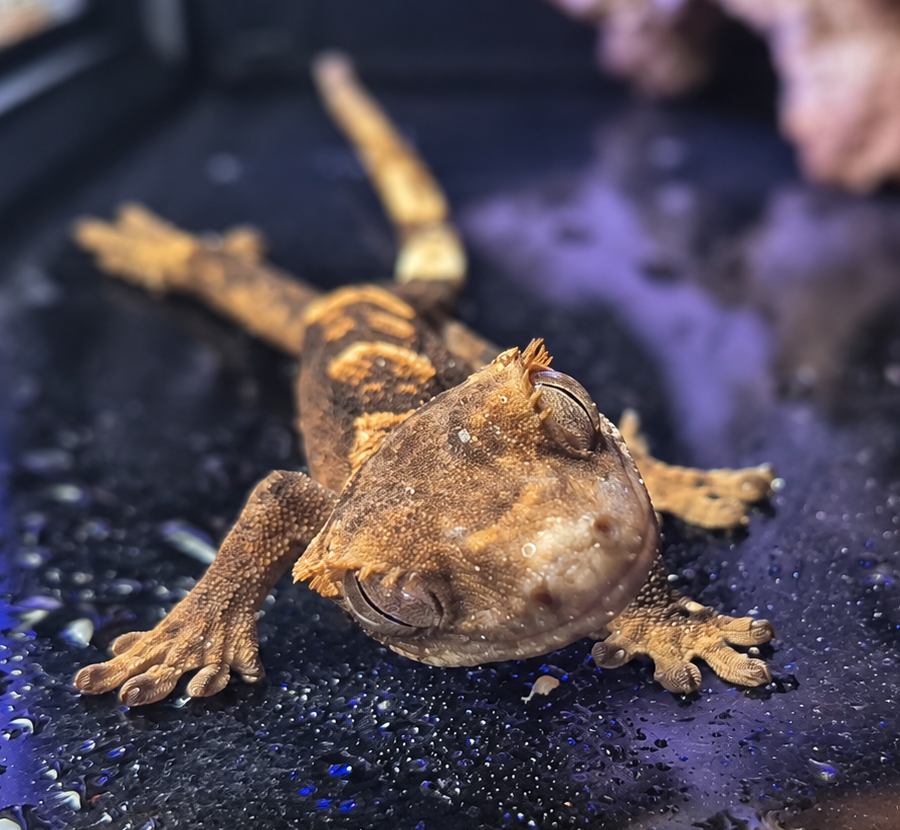
A collection of articles exploring reptile and amphibian care through real observation, lived experience, and the occasional unexpected moment where nothing quite goes to plan.
Here you’ll find practical husbandry insight, behavioural thinking, and stories from working with animals as individuals — not averages or textbook examples.
Not everything in reptile keeping fits neatly into a care sheet, and not every animal behaves the way it’s “supposed” to. These pieces explore what actually happens when theory meets reality — from everyday husbandry to behavioural surprises, odd personalities, and the moments that force you to rethink what you thought you knew.
Whether you’re starting out or refining advanced practice, this is care written from the enclosure, not the lecture hall.
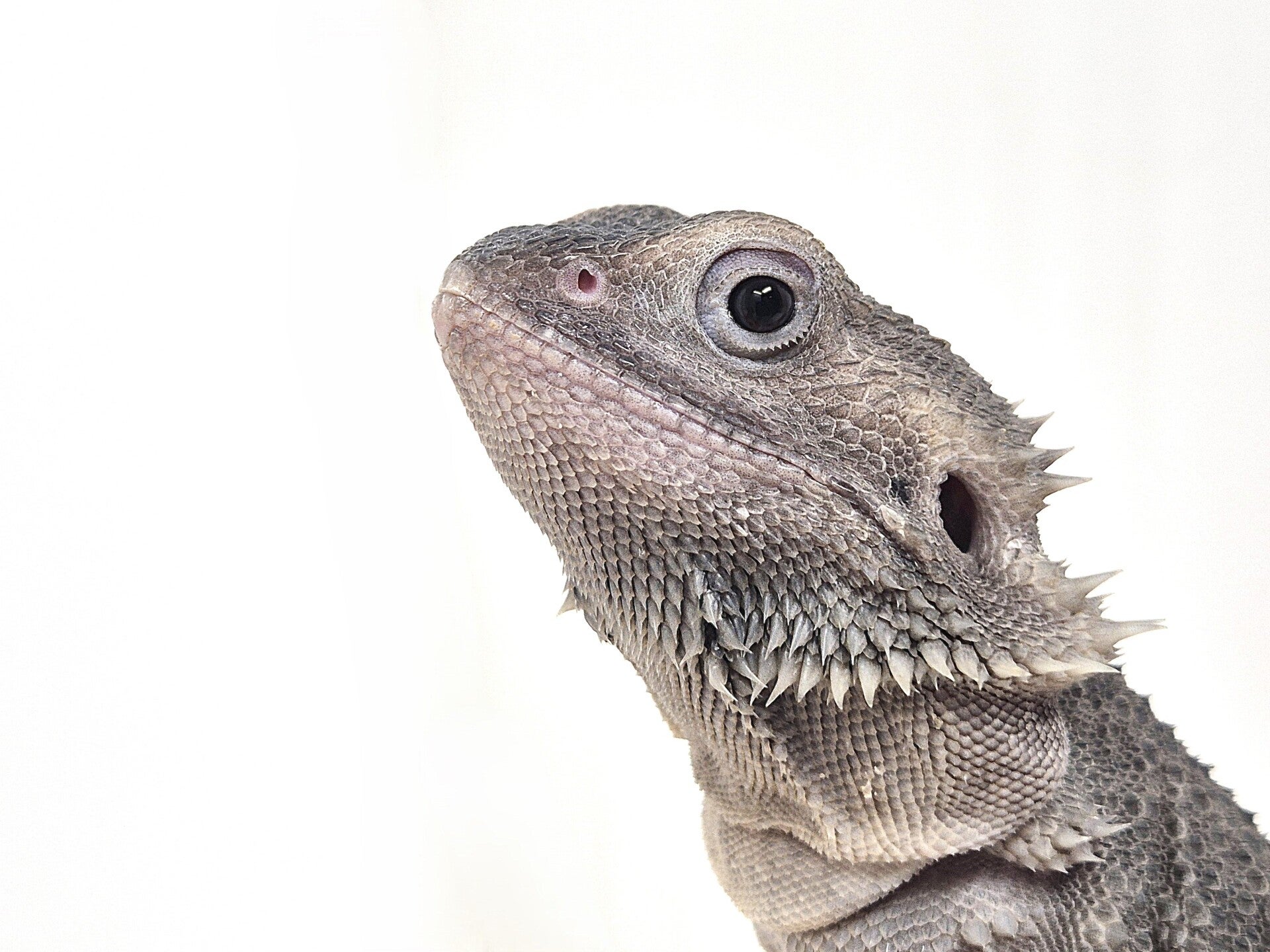
Bearded Dragon - Pogona vitticeps
Welcome to Tales from the Vivarium — a collection of stories, observations and occasional moments of complete confusion from the world of reptile and amphibian keeping.
Not every lesson comes from a textbook and not every animal reads the care sheet. Sometimes they surprise us, challenge what we think we know or simply leave us standing in front of an enclosure saying, “...huh?”
Here you’ll find honest, entertaining and thoughtful articles exploring the individuality, quirks and unexpected moments that make keeping these incredible animals so rewarding.
Expect observations, unusual behaviours, fascinating facts and the occasional tale that proves reptiles are every bit as strange, expressive and characterful as the rest of us.
It's an odd title for an article about reptiles, isn't it?
Nothing good ever starts with “I shouldn’t be doing this” or indeed “hold my beer”.
Omelette was an egg eating snake.
There's no other way to start this article off. She was my first. Everyone remembers their first, right? Often fondly.
Scratch and Shelby, since coming home with my dear Penny and me, spend their days in relative luxury.
Let's start this article with a disclaimer.
One thing that Penny and I cannot refuse is a rescue. So when we had a call about aa tailless gecko that had come home from Spain in a suitcase, we were on our way.
Showing my age with this one.
Penny and I have had some funny characters come through the door as customers when we worked retail.
Every now and then an animal chooses you.
Everyone who's kept reptiles for any significant amount of time will be able to tell you a funny story or two about something odd, strange or completely insane that happened to them. I'm no different.
Interesting title, isn't it?
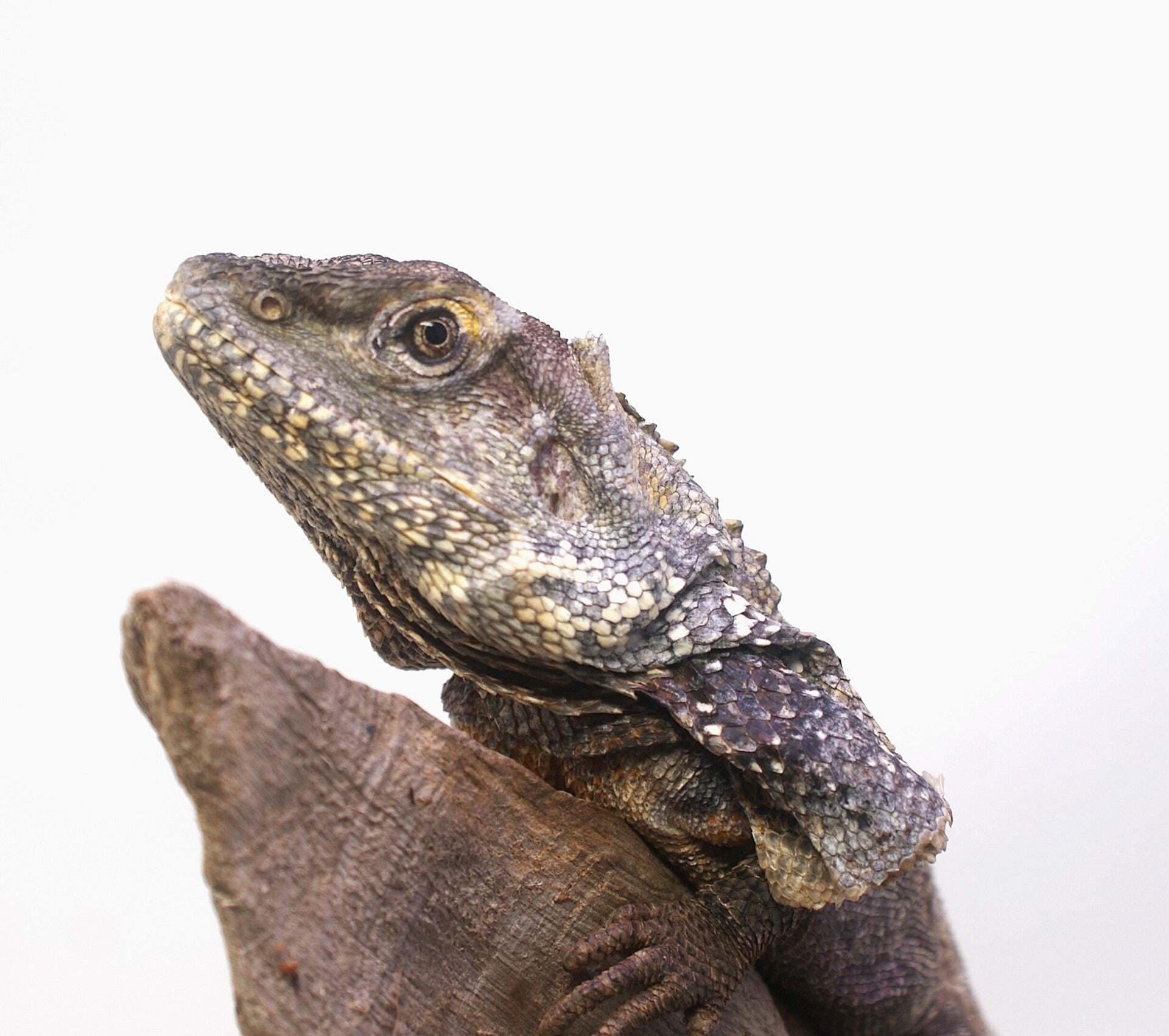
Gizmo the Frilled Lizard - Chlamidosaurus kingii
Real animals. Real observations. Real husbandry.
This section explores the stories of the animals that have challenged, taught, and changed the way we think about reptile keeping. Through rescue journeys, behavioural observations, and long-term rehabilitation, these articles bridge natural history with practical husbandry and explore what happens when theory meets the individual.
From Perry redefining expectations of Royal Python care, to Gizmo teaching lessons in adaptation and quality of life, these case studies offer honest reflections, practical insights, and the reminder that animals don’t always read care sheets.
New case studies will be added regularly as our collection — and our understanding — continues to grow.
The title of this one is a little misleading, I freely admit, but bear with me.
Let me tell you a tale of two men and a lizard. The lizard in question is an Argentinian or black and white tegu (Salvator merianae).
Pancake didn't have a name when we first heard about her.
I may have mentioned Penny before.
Pipsqueak is a bearded dragon (Pogona vitticeps). More specifically, he's Penny's very own, rather special little bearded dragon.
Animals have taught me so much over the years, but sometimes one of them teaches you something you never wanted to learn. Ivar was one of those animals.
There is a lie we tell ourselves as animal keepers.
One of the most common phrases in herpetoculture is also one of the least helpful.
There comes a point with every species I've worked with where I stop thinking I understand them quite as well as I thought I did.
The name Kaos will always stay with Penny and me. It represents one of our greatest successes, but it's also a name that still gives me a slight shiver.
Gizmo.
Two years and 3 days ago, Penny and I rescued a, at the time, 8kg 6-year-old sulcata tortoise named Agnes. She is now a shade over 20kgs, and she’s just turned 8 years old. But it was not plain sailing from the word “go”. I originally constructed the paddock itself using 65 feet of fencing, giving approximately 260 square feet of space, a pond, several shaded areas and I also built a fully functional, thermostatically controlled all weather basking/hotbox with built in UV lighting. All on timers and self-contained – night time temperatures not dropping below 24 degrees Celsius – and UV’s turning off after 11 hours. Everything was set for this desert tortoise to come in and have a whale of a time eating all the grass and digging holes. That’s because as a grazing species, sulcatas are easy right….. yeah. That went well.
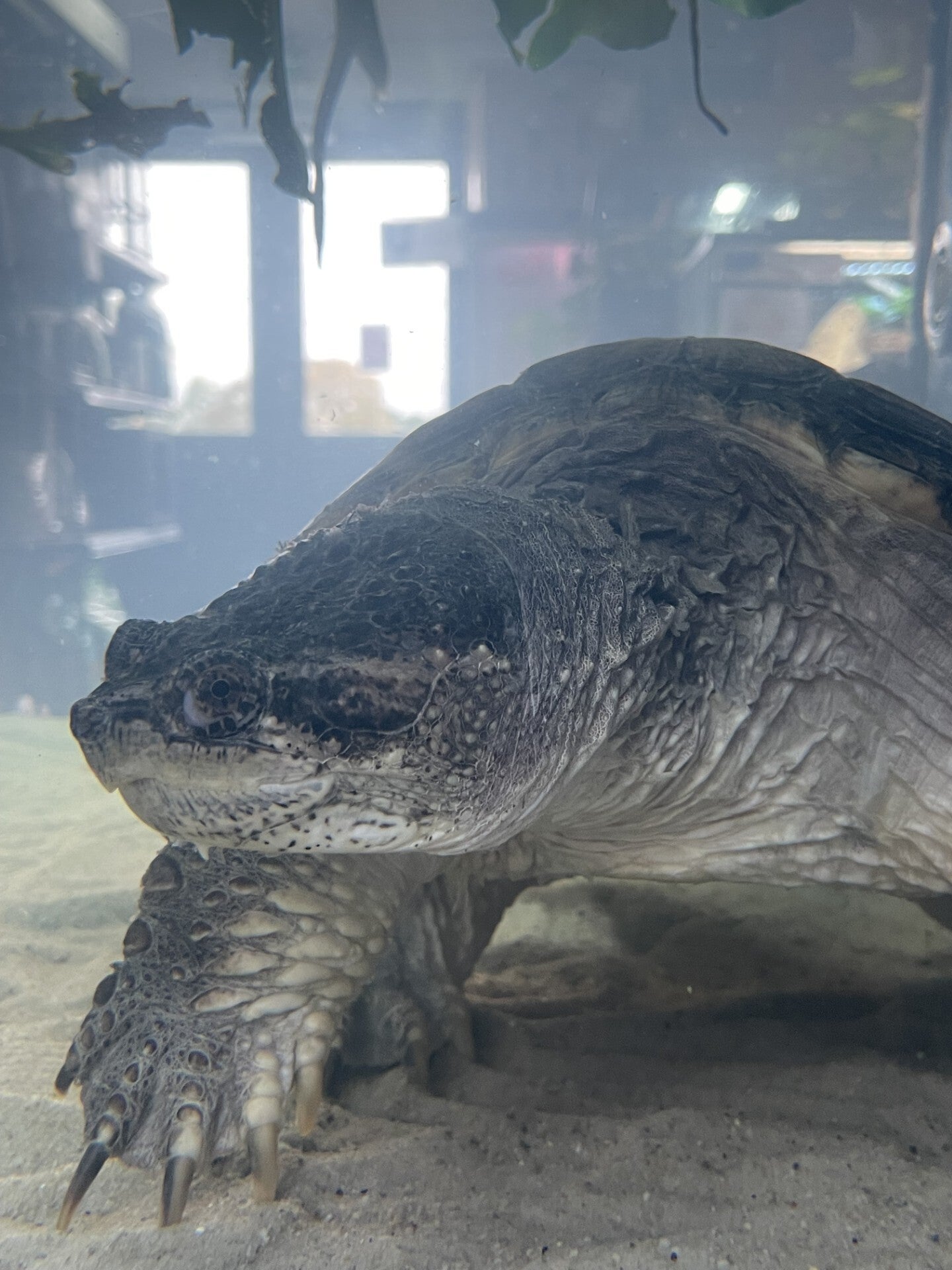
Common Snapping Turtle - Chelydra serpentina
Great husbandry begins long before the enclosure. Our articles combine natural history, field observations and current scientific understanding to explore how reptiles and amphibians live in the wild—and how those insights can improve captive care. From seasonal diets and environmental selection to lighting, heating and behavioural ecology, we turn complex science into practical husbandry that puts animal welfare first.
So what is it?
Ever felt like you wanted to crawl out of your skin? Snakes do — and unlike the rest of us after a long (and usually pointless) Monday morning meeting, they actually can. But why do snakes shed their skin? In this article we’ll look at the how and the why of snake shedding.
Every reptile shop has one.
Can tortoises feel when you touch their shell? Do they know when they bump into things? Can they feel anything? All questions we are asked regularly. So let me explain…
There is a scorpion sitting on the shelf in my lounge.
With their common name derived from the Latin regius meaning “royal,” royal pythons (Python regius) have become the most popular pet snake in captivity today. Due to their relaxed temperament, manageable size, availability, and relatively inexpensive care requirements, they are often considered one of the best entry-level snakes for reptile keepers.
Leopard geckos (Eublepharis macularius) are a small, stocky terrestrial species of gecko found throughout southeast Afghanistan, western India, Pakistan, Iraq, and Iran. This range also includes a subspecies, the Montanus leopard gecko.
Horsfield tortoises (Testudo horsfieldii) are small-to-medium sized tortoises belonging to the family Testudinidae. Adults typically grow between 6–10 inches in length and weigh between 650–1500 grams. Males are generally much smaller than females — often nearly half the size and weight — but compensate for this with an astonishing level of confidence during breeding season.
The crested gecko (Correlophus ciliatus) is a small, arboreal, crepuscular lizard found exclusively in the subtropical forests of southern New Caledonia.
The North American corn snake (Pantherophis guttata) is a medium-sized colubrid constrictor found throughout much of the eastern and southern United States, ranging from southern New Jersey to the Florida Keys and west into Texas.
From giant pythons in Florida to unexpected snakes in London, reptiles have become some of the world's most successful accidental colonists. Unfortunately for native wildlife, many of these newcomers didn't get the memo about being polite guests.
For a country famous for drizzle, tea and apologising to lamp posts, the United Kingdom is an unlikely place to encounter exotic turtles. Yet scattered across ponds, canals, lakes and reservoirs from Cornwall to Scotland lurks a surprising cast of shelled immigrants. Some are sunbathing on logs, some are hiding beneath lily pads, and at least one memorable individual looked as though it had escaped from a prehistoric monster convention.
If you can't find what you are looking for, or want to discuss your unique herpetology needs, please get in touch with us. We are here to help.