

Why I Stopped Brumating My Tortoises
Twenty years ago, I put my tortoise in a fridge.
Rethinking Husbandry explores the assumptions that shape modern reptile keeping. Using evidence, observation and natural history, these articles challenge convention, encourage critical thinking and explore how a deeper understanding of animal behaviour can improve welfare.
Because progress in husbandry has always come from asking better questions.
Twenty years ago, I put my tortoise in a fridge.
If you've spent any time in reptile keeping, you've almost certainly seen it.
There are two answers people give when asked why they keep snakes -
Let’s start with the obvious: frogs are not doing anything to win your affection. They don’t fetch, they don’t cuddle, and if you try to bond with one emotionally, it will blink slowly and continue being a frog.
Let’s address the hairy, eight legged elephant in the room: tarantulas are not what most people would describe as “cuddly.” They don’t wag their tails, they don’t purr, and if one of them does jump on you unexpectedly, your soul may temporarily leave your body (this does happen!)
Praying mantids are increasingly popular as exotic pets due to their low maintenance, fascinating behaviour, and minimal space requirements. Unlike many traditional pets, mantids do not require large enclosures, expensive equipment, or daily handling. In many ways, they are the ideal introvert’s pet: quiet, self-contained, and perfectly content to spend hours just....... staring. Their calm nature, combined with their unique hunting strategies and striking appearance, makes them both educational and captivating to observe. Additionally, most species are solitary and silent, making them ideal for small living spaces or beginner exotic pet keepers who may not be ready for an animal capable of knocking furniture over at 3 a.m.
There are two kinds of people in the world:
So, are all snakes poisonous? Technically, no snakes are poisonous — mainly because snakes don’t spend their spare time being turned into soup. What most people actually mean is: are snakes venomous?
There are an estimated 1.2 BILLION people worldwide terrified of spiders. The technical term for this is arachnophobia, which the Oxford Dictionary describes as an “extreme or irrational fear of spiders.”
Salmonella and Your Pet Reptile – Should You Be Worried?
A question we are asked often is: “Will my gecko get impaction?”, “the vet/breeder told us to use paper towels/repticarpet because of the risk of impaction.” I’ve even had variations of “you shouldn’t use loose substrates because the animal will get impaction!” shouted at me angrily while I’m speaking to a customer about something completely unrelated. (Apparently loose substrate discourse is the reptile-keeping equivalent of bringing politics to Christmas dinner.)
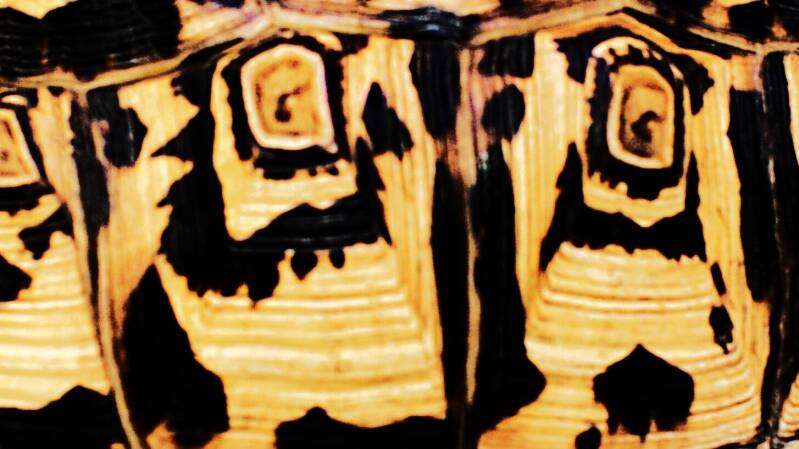


Ethics & Responsibility reminds us that keeping wild animals is both a privilege and a responsibility. Our ethical duty is to recognise what works, admit when it doesn't and never stop learning. The animals in our care cannot choose their environment, so they deserve our willingness to keep improving.
When I first started keeping reptiles, way, way, WAY back, the only husbandry advice you really had—aside from whatever books and papers you could get your hands on—came from the employee in your local specialist pet shop.
Those employees generally fell into one of three categories: the enthusiastic, knowledgeable keeper who genuinely wanted to help; the one who was simply there for a pay cheque; and the grumpy old owner or senior employee whose answer to almost every question was, "That's how we've always done it."
Leopard geckos, being one of the most resilient and manageable gecko species available, were routinely sold with a 60 × 30 × 45 cm enclosure and the reassuring advice that "you won't need anything bigger."
Bearded dragons, another staple of 1990s herpetoculture, were commonly recommended a 90 × 45 × 45 cm vivarium.
Royal pythons, one of the earliest snakes to become firmly established in the hobby, had a minimum enclosure size of...
...wait for it...
There wasn't one.
There was no legally defined statutory minimum enclosure size for a royal python.
The funny thing is that those recommendations weren't viewed as minimums at all. They were viewed as perfectly adequate. If somebody had kept a leopard gecko in a four-foot vivarium back then, people would probably have asked why. Today, tell someone you've got one in a two-foot enclosure, and you might find yourself halfway through a Facebook argument before you've even mentioned heating or lighting.
Somewhere along the way, the word minimum quietly changed its meaning.
It stopped meaning the smallest enclosure in which an animal's basic needs could reasonably be met.
Instead, it became interpreted as the enclosure nobody should ever actually use.
And that's where the conversation starts to become interesting.
One Size Fits All?
Bigger has become better.
The more space an animal has available, the more opportunity it has to use that space.
But that immediately raises another question.
Is there such a thing as too much space?
Large, exposed open spaces are something many reptiles avoid unless there's a good reason to use them.
A leopard gecko placed into a bare 4 × 2 × 2-foot enclosure will probably spend very little time making use of the open areas. In fact, it may avoid much of the enclosure altogether.
Now imagine filling that same enclosure with deep substrate, branches, rockwork, multiple hides, dried grasses, leaf litter, live plants and burrows.
Would that be a better enclosure?
Broadly speaking...
Yes.
But now you've introduced another husbandry challenge.
Observation.
As keepers, we know that reptiles are often secretive. Many spend much of the day hidden away, and even nocturnal species can be remarkably shy. If your small gecko disappears into a beautifully planted, heavily enriched enclosure, how do you monitor it without dismantling the entire setup?
Is it eating?
Is it maintaining its weight?
Has it shed properly?
Is it actually using the enclosure as you intended, or has it found one secure corner and decided that's where life is happening?
The larger and more complex an enclosure becomes, the more the keeper's ability to observe and manage the animal has to evolve alongside it.
Perhaps the real question isn't whether bigger is better.
Perhaps it's whether the space we provide is usable.
The RUB Solution
Today, many keepers have found what appears to be an elegant solution to housing multiple reptiles: the Really Useful Box, or RUB.
Used alongside purpose-built rack systems, they provide a practical drawer-style enclosure with heat at one end, water at the other and an environment that is simple to clean, inexpensive to replace and remarkably efficient where space is at a premium. For breeders, keepers managing large collections and quarantine facilities, it's easy to understand the appeal.
And here's where people often expect me to launch into a rant.
I'm not going to.
A RUB isn't inherently good or inherently bad.
It's a container.
The more interesting question is what that container actually allows the animal to do.
A well-designed RUB with appropriate temperatures, security, suitable substrate, adequate water and a keeper who understands the species may provide better day-to-day husbandry than a poorly designed six-foot vivarium containing little more than a water bowl and a decorative branch.
Equally, if the species naturally climbs, burrows extensively, spends long periods exploring complex environments or benefits from meaningful environmental choice, then the limitations of that system become much harder to ignore.
The argument, therefore, shouldn't be "RUB or vivarium?"
It should be:
What opportunities does this enclosure provide for this species, this individual and this stage of its life?
Because husbandry isn't about choosing sides.
It's about choosing the most appropriate environment for the animal standing or coiling in front of you.
The Maximum Becomes the Minimum
Modern recommendations now suggest enclosure sizes of around 48 × 24 × 24 inches for bearded dragons, 36 × 18 × 18 inches for leopard geckos, 48 × 24 × 24 inches for royal pythons and 18 × 18 × 36 inches for crested geckos. I mention these species specifically because what were once considered generous or even excessive enclosures have, over time, become today's expected minimums.
Research continues, husbandry evolves and, if I'm any judge, these recommendations will probably change again. In another twenty years this article may look wonderfully outdated—and that wouldn't necessarily be a bad thing.
As keepers, we should always strive to improve. Better heating. Better lighting. Better nutrition. Better supplementation. Better environmental design. And yes, where appropriate, larger enclosures.
But perhaps the mistake is to think that welfare can be measured with a tape measure alone.
A larger enclosure is only better if it provides more meaningful opportunities for the animal living within it. Space without purpose is simply empty space. Equally, a well-designed enclosure that allows an animal to thermoregulate, shelter, climb, burrow, forage and make meaningful choices is doing far more than meeting a set of dimensions on a care sheet.
Maybe we've been asking the wrong question.
Instead of asking,
"How big should this enclosure be?"
perhaps we should be asking,
"What does this enclosure allow my animal to do?"
Because minimum dimensions will continue to change.
Natural history won't.
For many years I worked in an aquatics and reptile superstore, eventually managing the small—but mighty—reptile department. I was responsible for everything from ordering livestock and equipment to breeding projects, husbandry standards and the day-to-day care of hundreds of animals.
On paper, I sold reptiles.
In reality...
I sold conversations.
Every day somebody would walk through the door wanting their first reptile. Sometimes they'd spent months researching the species they wanted. Sometimes they'd done no research whatsoever and expected to walk out with a two-foot lizard whose dietary requirements are complicated enough to leave Gordon Ramsay questioning his life choices.
Those conversations became the most important part of my job.
Yes, I had a department to run. Animals to order. Enclosures to maintain. Staff to train. But somewhere between the rescues, the rehabilitation cases and the endless stream of "my son doesn't want it anymore" stories, my priorities quietly changed.
I stopped asking,
"What animal does this person want?"
And started asking,
"Is this person ready for the animal they're asking for?"
I know that probably sounds like a herpetological power trip.
It wasn't.
It was self-defence.
Not for me.
For the animals.
Just Say No!
There were plenty of people who walked through those doors that reminded me why I loved the job. Genuine hobbyists. Proper keepers. The sort of people who would happily spend an hour discussing thermostats, UV indices or the calcium content of a feeder insect before they'd even think about choosing an animal. As their collections grew, so did the complexity of the species they kept, and it was a privilege to be a small part of that journey. I helped where I could, advised on enclosures and diets, and, when I didn't know the answer, I went away and found it. I didn't know everything then, and I certainly don't now.
But retail has another side.
Impulse buyers.
Trend followers.
Parents trying to keep a promise they'd made far too quickly.
And, on more than one memorable occasion...
"I kept one twenty years ago. It'll be exactly the same."
It rarely was.
Saying no to a customer is one of the least comfortable things you can do in retail. Every instinct tells you to make the sale. Every business wants turnover. Every customer expects to leave with what they've come in for.
But my team and I weren't just responsible for selling animals.
We were responsible to them.
That changes the conversation.
We couldn't, in good conscience, hand a living animal to anybody carrying a fistful of cash and a crocodile grin.
More than once I found myself saying something that became almost a running joke.
"I wouldn't sell you a rock."
Penny will tell you there was some scattered profanity through the statement, but I stand by it.
Not because I thought I was better than anyone.
Because, after enough years, you start to recognise something that's very difficult to teach.
You can usually tell when somebody's heart is in herpetoculture.
You can see it in the way they stop halfway across the shop because they've spotted a juvenile dart frog tucked behind a bromeliad.
You can hear it when they ask about UV output before they ask about price.
You watch their eyes follow a day gecko across the ceiling while everyone else is looking at the snake with the brightest colours.
They're not shopping.
They're already keeping.
Responsibility
If I said no to somebody, the outcome was often depressingly predictable. They would simply drive to the nearest competitor and buy exactly the same animal. No questions. No discussion. Just money exchanged for a living creature. I won't name names—although buy me a cup of tea one day and I'll happily point you in the direction of a couple of places that still make my blood pressure rise—but it happened often enough that I could almost predict how the next few weeks were going to unfold.
The new keeper would get the animal home, discover that reptiles don't arrive with decades of husbandry experience bundled neatly inside the box and eventually run into trouble. Sometimes it would be feeding, sometimes heating, sometimes lighting, sometimes something as simple as not understanding normal behaviour. They would ring the shop they had bought the animal from, only to discover that once the sale had gone through, the conversation had ended. More often than not, they eventually found their way back to me.
That left me with a dilemma that, strangely enough, never really felt like one. I was now giving my time to somebody who hadn't bought an animal from us, advising on husbandry that generated no income for the business and helping to solve problems that commercially belonged to somebody else. None of that bothered me in the slightest because the snake, lizard or tortoise sitting in front of me hadn't chosen where it had been bought. It certainly hadn't chosen the advice that came with it. As far as I was concerned, its welfare came first. The till receipt was completely irrelevant.
Unfortunately, businesses don't always have the luxury of looking at things that way. More than once I found myself explaining why I'd refused a sale, and more than once I found myself answering the same question.
"Why didn't you sell them the animal?"
Apparently my response of, "Because I wouldn't sell them a rock," wasn't considered a particularly robust business strategy.
So I found myself defending my decisions with words like welfare, responsibility and husbandry. I knew I'd never win that argument completely because I understood the other side of it. Businesses exist to make money. Directors have wages to pay, electricity bills to cover and stock to move. I never lost sight of that. But I also had something else sitting on my shoulder every time I looked into an enclosure.
My own conscience.
That little voice has never once asked me how much profit a snake made.
It has only ever asked me whether I did the right thing by the animal.
The Paradox
As we all know, hindsight is a wonderful thing. Looking back now, I'm not entirely convinced that refusing sales improved welfare or changed very much at all.
At the time, saying no felt like the morally right decision. I was responsible for that animal while it was in my care and selling it to a complete knobend was never part of my job description. I wanted every reptile that left my department to thrive in its new home, not slowly deteriorate because somebody had underestimated the responsibility that came with owning it.
But refusing a sale was never really the goal.
Education was.
Whenever somebody walked in who I felt simply wasn't ready for the species they'd chosen, I'd try to steer the conversation rather than end it. I'd explain why I had concerns, talk them through the basics and, more often than not, send them home with a care sheet.
Now, I've said this repeatedly throughout my articles and observations: care sheets are not the enemy. They're an excellent starting point. The problem isn't the care sheet; it's treating it as the finish line instead of the starting line. The real learning begins afterwards. Do you read more? Do you look at current research? Do you compare different approaches? Do you ask questions? In my opinion...
You should.
If I could persuade somebody that a monitor lizard wasn't the right fit but a bearded dragon might be... if I could swap a large snake for a smaller, more forgiving species... if I could send somebody home excited rather than overwhelmed... I counted that as a win.
And, surprisingly often, so did they.
Many of those customers came back a few weeks later.
Sometimes with a different species.
Sometimes with better questions.
Occasionally just to tell me they'd spent the last fortnight reading everything they could get their hands on.
Those were the conversations that mattered.
Because I wasn't trying to stop people becoming reptile keepers.
I was trying to help them become better ones.
The aim was never to stop somebody keeping reptiles. It was to give them the best possible chance of keeping them well.
Who Carries the Weight?
So who carries the weight?
Who bears the responsibility for the welfare of that animal?
Is it the conscientious breeder who knows every individual animal by sight, or the backyard breeder who's only interested in the next clutch and the next sale?
Is it the wholesaler, supplying animals and equipment to retailers across the country?
Is it the retailer who refuses a sale because it doesn't feel right, or the one who's happy to exchange a living animal for a bank card and a smile?
Is it the new keeper, who ultimately takes that animal home and becomes responsible for every decision that follows?
Or...
Does responsibility simply pass from one pair of hands to the next, following that animal throughout its life?
I don't think there's a single answer.
I think it's all of us.
Every person who breeds, imports, wholesales, sells, advises or keeps reptiles leaves a fingerprint on that animal's life. Sometimes it's obvious. Sometimes it's almost invisible. But every decision matters.
The responsibility doesn't begin when an animal arrives in our homes.
It begins the moment somebody decides to breed it.
From that point onwards, every pair of hands that animal passes through has the opportunity to improve its future...
...or diminish it.
The morality of the reptile trade isn't measured by how many animals we sell.
It's measured by how many continue to thrive long after they've left us.
Keeping reptiles has never been more popular. Over the last two decades, herpetoculture has grown exponentially to the point where almost everyone knows someone with a snake, a bearded dragon or a tortoise quietly bulldozing its way around the garden. What was once considered an unusual hobby has become firmly established in the mainstream, and with that growth has come an extraordinary improvement in our understanding of the animals we keep.
But popularity brings responsibility.
Reptile keeping is a hobby built on far more science than simply remembering to feed the dog or take it for a walk. Every reptile we keep relies entirely on us to provide the conditions its evolution prepared it for. We choose its temperature. We choose its lighting. We choose its diet. We even choose how much opportunity it has to behave like the animal it has spent millions of years evolving to become.
That's a remarkable responsibility.
It also means that simply keeping a reptile alive shouldn't be the goal.
Thriving should.
The difference between those two words is where good husbandry begins.
The Species Is Only the Beginning
Ask ten experienced reptile keepers what a bearded dragon needs and you'll probably receive ten remarkably similar answers...
...and one profanity-laden rant about UVB.
A basking spot around 40°C.
High-quality UVB ("FOR THE LAST TIME, IT'S NOT OPTIONAL!").
A varied omnivorous diet.
Space to climb.
Places to hide.
Somewhere to dig.
On paper...
They're all absolutely correct.
Species care guides are invaluable because they tell us what evolution prepared an animal to expect. They provide the environmental conditions that, for most individuals, represent an excellent place to begin.
The important words there are...
To begin.
Natural history tells us what a species evolved to do.
Good husbandry tries to provide opportunities for those behaviours to occur.
Great husbandry begins when we recognise that no two individuals read the same textbook.
Species matter.
Individuals matter just as much.
Take two bearded dragons of exactly the same age and sex.
House them in identical enclosures.
Provide identical temperatures, identical lighting and identical diets.
On paper, you've done everything perfectly.
In reality...
One may bask for hours while the other spends much of the day exploring the cooler end. One might consume every insect offered while the other remains naturally lean despite identical feeding. One may climb constantly while another rarely leaves the ground.
Neither animal is wrong.
They're simply individuals.
And that's where husbandry quietly stops being about following instructions and starts becoming about observation.
The care sheet hasn't failed.
It's simply done its job.
It gave you the starting point.
The animal tells you where to go next.
Good Husbandry Is a Conversation
One of the biggest misconceptions in reptile keeping is that good husbandry can be measured by equipment. A larger enclosure. A more expensive UVB lamp. A thermostat with enough buttons to launch a space shuttle. None of those things are bad—in fact, most are excellent—but none of them, on their own, make someone a good keeper.
Good husbandry isn't something you build once and forget about. It's something you continually refine. Every reptile is constantly giving us information about the environment we've created. A snake refusing food, a tortoise endlessly pacing a fence line, a gecko that never leaves its hide or a bearded dragon attempting to glass surf into next Tuesday aren't inconveniences to be corrected—they're observations waiting to be understood.
The temptation is always to ask, "How do I stop that behaviour?" The better question is, "What is the animal trying to tell me?"
Sometimes the answer is obvious. Sometimes it isn't. A royal python refusing food may simply be behaving exactly as royal pythons often do. Equally, it may be responding to poor security, incorrect temperatures, inappropriate prey presentation or any number of environmental factors. The behaviour itself isn't the diagnosis. It's the beginning of the investigation.
That's where husbandry quietly moves beyond following a care sheet. Care sheets tell us what conditions a species generally requires. Observation tells us whether the individual in front of us agrees.
When the Textbook Meets Reality
Every care guide I've ever written begins with the species.
Every enclosure I've ever built ends with the individual.
That's because animals have an irritating habit of refusing to read the literature.
Agnes taught me that wild sulcata tortoises dig extensive burrows because the African sun leaves them little choice. Build her a carefully designed paddock in the British Midlands and she looked at my beautifully prepared digging trench as though I'd completely misunderstood the assignment.
Perry reminded me that not every royal python behaves like the one described in a textbook. Disarano showed me that sometimes the literature simply doesn't have the answers yet.
None of those animals proved the science wrong.
They proved that science gives us a starting point, not a finished blueprint.
The more animals I work with, the more convinced I become that good husbandry isn't about making the individual fit the care sheet.
It's about knowing when the care sheet needs adapting to fit the individual.
Observation doesn't replace natural history.
It completes it.
Curiosity Is Your Greatest Piece of Equipment
The most valuable thing in any reptile room isn't the thermostat, the UV meter or the latest enclosure.
It's curiosity.
The best keepers I've met aren't necessarily the ones with the largest collections or the most expensive equipment. They're the ones who notice the little things. The snake choosing a different hide. The tortoise basking for longer than usual. The gecko emerging an hour earlier than normal. The bearded dragon that has apparently decided today's mission is to redecorate the vivarium one mouthful of substrate at a time.
Those observations become questions. Questions lead to understanding. Understanding improves husbandry. Good husbandry, in turn, produces healthier animals.
Perhaps that's why I don't think anyone ever truly masters reptile keeping. Every species has something new to teach us, and every individual has its own way of teaching it. We begin with natural history because it gives us the framework for understanding a species, but we become better keepers through observation because no two animals are ever completely alike.
Natural history may write the textbook, but every individual still scribbles its own notes in the margin.
And I don't think there's a better reason to keep watching.
So What Does Good Husbandry Look Like?
To me, good husbandry isn't measured by how expensive an enclosure is or how many gadgets it contains.
It's measured by outcomes.
Healthy animals.
Natural behaviour.
Consistent feeding.
Appropriate body condition.
Successful breeding where appropriate.
Curiosity from the keeper.
And a willingness to change when the animal tells you something the textbook didn't.
If I had to reduce good husbandry to a single sentence, it would simply be this:
Build for the species. Adapt for the individual.
One of the most important decisions you'll ever make as a reptile keeper happens long before you switch on a heat lamp or arrange the first hide.
It happens when you choose the animal itself.
Wild-caught or captive-bred.
On the surface, it doesn't sound like much of a decision. After all, a royal python is still a royal python regardless of where it came from.
In reality, it may be the single biggest welfare decision you'll ever make.
The Journey Begins Before You Buy
Wild-caught reptiles are exactly what the name suggests: animals removed from their natural environment and introduced into the pet trade. Before they ever reach a reptile shop, many have already experienced capture, transport, temporary holding facilities and long journeys across international supply chains. Every stage has the potential to place considerable stress on the animal.
By the time they arrive in captivity, some are already dehydrated, carrying heavy parasite burdens, suffering from respiratory infections or simply exhausted from the process. Others refuse food for weeks or even months while they adapt to an environment they have never encountered before.
Working in reptile retail and rescue, I lost count of the number of wild-caught reptiles that arrived needing rehabilitation before they could even begin life as pets. Dehydration, poor body condition, external parasites, internal parasites, respiratory disease and chronic stress were all things we encountered with alarming regularity. None of those problems were caused by the keeper who eventually bought the animal. In many cases, they began long before it ever reached the shop.
For experienced keepers these challenges can often be managed.
For beginners, they can be overwhelming.
Why Captive-Bred Animals Are Different
Captive-bred reptiles begin life under very different circumstances.
Born and raised in controlled environments, they are already accustomed to artificial heating, UV lighting, prepared diets and the day-to-day routine of living around people. They arrive with known feeding histories, predictable husbandry requirements and, in most cases, significantly fewer health concerns than their wild-caught counterparts.
That doesn't necessarily mean they enjoy handling or actively seek human interaction. As we've discussed elsewhere, reptiles experience the world very differently from mammals. What captive-bred animals often possess instead is familiarity. They've never known anything other than captivity, making the transition into a new home considerably less stressful than it is for an animal that has spent years surviving in the wild.
For a new keeper, that difference can be enormous.
A healthy, well-established captive-bred reptile offers the best possible opportunity to learn good husbandry while allowing the animal to settle quickly into its new environment.
Feeding, Health and Long-Term Success
One of the biggest differences between wild-caught and captive-bred reptiles becomes apparent at feeding time.
Wild-caught animals frequently arrive with highly specialised feeding preferences. Some will only recognise particular prey species, while others refuse food altogether until they have settled into captivity. Establishing them on an appropriate captive diet can require considerable patience and experience.
Captive-bred reptiles are usually far more straightforward. Most have already been established on commonly available foods and, where appropriate, frozen-thawed prey. They generally feed more consistently, adapt more readily to new environments and present fewer nutritional challenges for inexperienced keepers.
That doesn't simply make life easier.
It gives the animal a better chance of thriving from the very beginning.
The Ethical Question
Beyond the practical considerations lies a much bigger question.
Should we still be removing reptiles from the wild for the pet trade?
For the overwhelming majority of reptiles kept today, I don't believe there's a good reason to do so.
Unsustainable collection places pressure on natural populations, removes breeding animals from the wild and disrupts ecosystems that have evolved over millions of years. Even where collection is legal, legality doesn't automatically make it the best option for the species involved.
Captive breeding has transformed modern herpetoculture. Ethical breeders don't simply produce reptiles for sale; they preserve bloodlines, improve husbandry, reduce demand for wild-caught animals and provide healthier, more robust reptiles for future generations of keepers.
In many ways, good breeders have become some of the greatest conservationists within the hobby.
It's worth recognising that carefully regulated wild collection still has a place in a handful of conservation programmes, scientific research projects and founder breeding populations. Those situations are exceptional and should never be confused with supplying the general pet trade.
For almost every reptile keeper reading this article, the most responsible choice remains the same.
Choose captive-bred.
The Cost of "Saving Money"
Wild-caught reptiles are often cheaper to buy.
Unfortunately, they're frequently more expensive to keep.
Veterinary treatment, parasite control, feeding difficulties, prolonged acclimation and increased mortality can quickly outweigh any initial saving. What appears to be a bargain on the day of purchase can become an expensive and emotionally draining experience for both keeper and animal.
Captive-bred reptiles often command a higher purchase price, but that price reflects years of responsible breeding, successful husbandry and healthy establishment before the animal ever reaches its new home.
Sometimes, the cheapest reptile is the most expensive one you'll ever own.
Choosing Success
One thing often overlooked is expectation.
Every new keeper deserves the best possible chance of success, and every reptile deserves the best possible chance of thriving.
Those two goals are far more likely to meet when a healthy captive-bred animal enters a well-researched home.
Successful first experiences create confident, knowledgeable keepers who remain in the hobby for decades.
Poor first experiences too often end with disappointment, unnecessary suffering or yet another reptile looking for a second home.
For me, the choice has become remarkably simple.
Whenever possible, choose captive-bred.
Not because they're easier.
Not because they're more valuable.
Because they give both the keeper and the animal the greatest opportunity to succeed.
And in the end, that's what good husbandry has always been about.
At what point in your herpetological journey do you decide when it’s time to share your knowledge with your peers? Keepers around the world can now offer advice to each other through the marvel of the internet.
Chat rooms, dedicated servers, whole communities have sprung up dedicated to the health and welfare of reptiles, amphibians and invertebrates.
This can be nothing but positive. Sharing ideas and discussing husbandry is how we move forward in this hobby. It’s how we develop different methods of care between continents.
But—and this is a big "but", and entirely my own opinion, so put down your pitchforks—when you're big enough, you'll be too old - should an individual who has kept a leopard gecko for approximately 25 minutes really be adding to the conversation?
Gatekeeping
One of the most overused—and, if I'm honest, over-dramatic—words in modern herpetoculture.
Gatekeeping.
"Who gives YOU the right to tell ME I don't know what I'm talking about?"
"How dare you question my opinion?"
We've all seen it. Somebody asks a question, somebody else disagrees with the answer and, before long, somebody inevitably shouts "gatekeeper" and the conversation dies on the spot.
It's a shame really. Because disagreement is how we learn.
I grew up before the internet. Before social media. Before Facebook groups where you could ask a question over breakfast and have three hundred different answers before lunch. When I was born there were only four terrestrial TV channels.
If I wanted to learn about reptiles, I had books. The local library was a godsend.
I had the occasional scientific paper if I could get hold of one.
I had people who'd been keeping reptiles longer than I had.
I'd read everything I could find, fill notebooks with ideas and then go home convinced I'd finally understood it. And sometimes I had.
Quite often...
I hadn't.
I lost geckos that didn't "need" UV.
I lost turtles that supposedly lived perfectly happily on fish.
I lost a tortoise because everybody said, "Just keep it in the garden."
I lost. So I learned.
Information Exchange
The arrival of the information age should have transformed herpetoculture.
For the first time in history, keepers from opposite sides of the world could compare observations, challenge long-held ideas and build on each other's experiences. We suddenly had access to scientific papers, field observations and husbandry discussions that, when I first started keeping reptiles, simply weren't available.
It should have been the moment we collectively asked a simple question.
"What can we learn from the animal itself?"
Instead, far too often, we fell back on something else.
"I've been doing this for thirty years. I know what I'm doing."
"I've never used UV and they've always been fine."
"They don't need all this new stuff. It's just the latest trend."
I've heard every one of those statements over the years.
Sometimes they even came from me.
That's why I wrote If It Ain't Broke, Don't Fix It.
It followed the story of a twenty-year-old leopard gecko that came into my care while I was working in reptile retail. By every measure that mattered, he was thriving. He'd lived under a heat mat, a compact UVB bulb, fairly uninspiring substrate and an enclosure that offered very little opportunity for natural behaviour.
Yet there he was. Healthy. Alert.
In remarkable condition for his age.
The point of that article wasn't to argue that modern husbandry is unnecessary.
It was the opposite.
If something is working, understand why it's working... then ask whether you can make it even better.
To me, that's what good keepers do.
We don't ridicule people for not knowing something.
We don't protect information as though it's ours alone to give.
We challenge assumptions.
We ask questions.
And when somebody wants to learn...
We help them.
Because the moment we stop learning from one another is the moment husbandry stops moving forward.
Toxicity
"Toxic" is another one of those words that gets thrown around far too easily these days.
Ironically, one of the quickest ways I've found to be labelled toxic in herpetoculture is...
...to ask questions.
I've lost count of the number of online groups I've been quietly removed from over the years. No arguments. No shouting. No personal attacks. Usually just a polite message saying I'd been removed.
The reason?
I asked too many questions.
Apparently, questioning accepted husbandry wasn't considered discussion.
It was considered disruption.
I've never really understood that. Surely questions are how we improve?
If nobody had questioned whether leopard geckos benefit from UVB, we'd probably still be telling people they don't need it.
If nobody questioned heat mats, bioactive enclosures or behavioural enrichment, we'd still be keeping reptiles exactly as we did thirty years ago.
Questions aren't the enemy of good husbandry.
They're the reason it improves.
More recently I've had similar experiences on TikTok. People have criticised the condition of rescue animals without knowing the story behind them. Missing limbs, metabolic bone disease, neurological problems... to some viewers they're simply examples of poor husbandry.
Except they aren't.
They're examples of what happens when poor husbandry has already occurred.
There's an important difference.
Context matters.
I'll happily spend hours discussing evidence with anyone.
Show me a better paper. A better observation. Point out something I've misunderstood.
I've even been known to argue passionately before realising I was talking about the wrong bloody species.
It happens.
I'd much rather be corrected than remain wrong.
Because that's how we learn.
And that's how we move husbandry forward.
What Next?
I don't have all the answers. If I did, I'd have stopped asking questions years ago. What I do know is that we need to get better at listening to each other.
Imagine someone saying,
"Kevin’s developed a new way of incubating corn snake eggs and he's getting a 100% hatch rate."
The response shouldn't be,
"What does he know? He's only been breeding snakes for five years."
It should be,
"Interesting... how's he doing it?"
Now, if Kevin stands up and announces that everyone else has been wrong for the last thirty years, that's a very different conversation.
The ethics of expertise isn't about whether you should speak. It's about knowing how confidently you should speak.
Keeping reptiles for thirty years doesn't automatically make me an authority on everything with scales, but it does give me perspective. I've watched this hobby change. I've changed with it. I've been wrong, and I have no doubt I'll be wrong again.
My experience doesn't give me the right to stop learning.
It gives me the responsibility to keep learning.
If asking questions becomes a problem, we've stopped doing science and started protecting opinions. When that happens, the only thing that really suffers is the animal in the middle of the debate.
Reptile keepers—often referred to as herpetoculturists—occupy a unique and sometimes controversial position within modern conservation. Traditionally viewed as hobbyists or pet owners, they are increasingly recognised as potential contributors to biodiversity preservation, scientific research, and public education. However, their role is complex, situated at the intersection of conservation benefit, animal welfare, and ethical debate. Contemporary research suggests that reptile keepers can play a meaningful role in conservation, but only under specific conditions grounded in science, responsibility, and collaboration.
At its core, reptile keeping, or herpetoculture, involves the maintenance and breeding of reptiles in captivity for a range of purposes, including private ownership, scientific study, and conservation efforts. Over the past several decades, private keepers have developed extensive practical knowledge of reptile husbandry, particularly in areas such as captive breeding, nutrition, and environmental management. This accumulated expertise has proven valuable not only within the hobby itself but also within broader conservation contexts.
One of the most significant contributions reptile keepers can make is through captive breeding. Modern conservation increasingly recognises the importance of “ex situ” populations—those maintained outside of natural habitats—as a safeguard against extinction. Programmes such as coordinated zoo breeding initiatives rely on careful genetic management and long-term planning to maintain viable populations. Importantly, private keepers have also played a substantial role in this area. A large proportion of reptile species have been successfully bred in captivity, often outside institutional settings, demonstrating the technical capability of the herpetoculture community.
Recent conservation successes further highlight the value of captive breeding. For example, large-scale breeding and reintroduction efforts have enabled the recovery of species such as giant tortoises in the Galápagos, where individuals bred in controlled environments have been reintroduced to restore ecological balance. While such programmes are typically led by conservation organisations, they rely on husbandry techniques and breeding knowledge that overlap significantly with those developed by experienced reptile keepers. This illustrates how skills originating in private settings can contribute to global conservation outcomes.
Beyond breeding, reptile keepers contribute to conservation through knowledge generation and dissemination. Much of what is known about reptile care—including dietary requirements, environmental needs, and reproductive biology—has been informed by observations and experiments conducted in captivity. Scientific organisations and societies actively collaborate with keepers to refine husbandry techniques and support research initiatives. In this way, private keepers act as an informal but valuable extension of the scientific community, particularly for species that are difficult to study in the wild.
Reptile keepers also play a role in education and public engagement. By maintaining and displaying reptiles, whether privately or through outreach programmes, they can increase public awareness of reptile biology, conservation challenges, and environmental issues. This is particularly important given that reptiles are often misunderstood or overlooked in conservation discourse. Educational efforts can help shift perceptions, fostering greater appreciation for reptile diversity and the need to protect it.
However, the conservation role of reptile keepers is not without significant limitations and concerns. One major issue is the disconnect between potential and practice. While some keepers maintain high standards and contribute positively, others may lack the knowledge or resources required to meet even basic welfare needs. Research into reptile trade and ownership highlights ongoing issues with poor husbandry, inadequate housing, and misinterpretation of animal behaviour. From a conservation perspective, animals kept in suboptimal conditions do not represent viable or ethical contributions to species preservation.
The reptile trade itself presents further ethical and ecological challenges. While captive breeding can reduce pressure on wild populations, demand for exotic species may still drive illegal collection and unsustainable trade practices. Additionally, the movement of reptiles through markets and expos can expose animals to stress, disease, and poor conditions, undermining welfare and potentially impacting conservation goals. These issues highlight the importance of regulation, transparency, and responsible sourcing within the reptile-keeping community.
Another limitation lies in the genetic and ecological complexity of conservation breeding. Maintaining a species in captivity is not equivalent to preserving it in the wild. Effective conservation requires attention to genetic diversity, natural behaviours, and ecological roles. Without careful management, captive populations may become genetically compromised or poorly adapted for reintroduction. This is why structured programmes, such as those coordinated by zoological organisations, are essential for ensuring that captive breeding contributes meaningfully to long-term conservation outcomes.
Despite these challenges, there is growing recognition that conservation cannot rely solely on governments and large institutions. Biodiversity loss is occurring at a scale that exceeds the capacity of traditional conservation frameworks. In this context, the involvement of private individuals—including reptile keepers—may represent an important supplementary resource. The ability of dedicated keepers to maintain and breed a wide range of species offers a potential buffer against extinction, particularly for lesser-known or understudied reptiles.
Ultimately, the role of reptile keepers in conservation is conditional rather than absolute. When guided by scientific evidence, ethical standards, and collaboration with conservation organisations, reptile keepers can contribute positively through captive breeding, research, and education. However, when practices fall short—due to poor husbandry, unethical sourcing, or lack of oversight—their impact may be neutral at best and harmful at worst.
In conclusion, reptile keepers occupy a complex but potentially valuable position within modern conservation efforts. Their contributions are neither inherently beneficial nor inherently detrimental; rather, they depend on the quality of practice and the integration of their work within broader conservation strategies. As research continues to refine our understanding of reptile biology and welfare, the challenge moving forward will be to harness the knowledge and capacity of reptile keepers while ensuring that their involvement aligns with the highest standards of ethical and scientific responsibility.
Reptiles, amphibians and invertebrates (including spiders!) have become increasingly popular as pets over the past few decades, captivating enthusiasts with their unique behaviours, striking appearances, and intriguing lifestyles. Unlike cats, dogs, rodents, or other traditional pets, herptiles offer an entirely different type of companionship, one that appeals to a variety of personalities and lifestyles. But why exactly do people choose reptiles as pets? Let’s explore the reasons.
Reptiles, such as snakes, lizards, and turtles, amphibians like frogs, toads and salamanders, and even more bizarre creatures such as tarantulas and scorpions, possess a sense of exotic allure. Their unusual patterns, vibrant colours, and otherworldly appearances make them stand out from conventional pets. For instance, species like the leopard gecko or the corn snake are visually captivating and can spark a lifelong fascination with biology and ecology. For many, keeping herptiles (many moons ago scientists lumped reptiles & amphibians into one group called herptiles. Although the two groups of animals are very different, we still use this grouping today. This includes frogs, salamanders, caecilians, turtles, snakes, lizards, crocodilians & tuataras) is also an opportunity to study and appreciate species that are rare or not native to their region (in the UK we have 6 native reptiles and 7 native amphibians).
Herptiles generally require less daily attention than more traditional pets. Many species don’t need to be walked, groomed, or entertained constantly. They thrive on carefully managed enclosures with regulated temperature, humidity, and lighting. For busy individuals or those living in apartments, herptiles provide companionship without the high-maintenance demands of traditional pets, many not requiring daily feeding.
Owning reptiles can be highly educational. Observing their feeding habits, shedding cycles, and behavioural patterns gives pet owners insight into animal biology, ecosystems, and conservation. For families with children or hobbyists, herptiles encourage curiosity, patience, and responsibility. For example, caring for a bearded dragon involves learning about proper dietary requirements, habitat setup, and environmental enrichment, not to mention body language and supplementation.
For individuals allergic to fur or dander, herptiles offer a safe alternative. Unlike cats or dogs, most herptiles produce no allergens (new world tarantulas being the exception with their urticating defensive hairs), making them suitable companions for people with sensitivities while still providing the joy of interacting with an animal.
Many herptiles have long lifespans, sometimes stretching into decades. For instance, turtles can live 50 years or more, tortoises - even longer and certain snakes and geckos can live 20–30 years with proper care. This longevity allows owners to form long-term bonds with their pets, offering a different kind of emotional attachment than shorter-lived animals.
Watching herptiles move, bask under heat lamps, or explore their enclosures can be surprisingly calming. Many owners find that the slow, deliberate movements of herptiles (such as a praying mantis stalking or a royal python climbing branches) provide a meditative effect, helping reduce stress and anxiety. The quiet nature of herptiles also contributes to a peaceful home environment.
Herptile keeping is supported by a passionate community of hobbyists. From breeding programs to specialist shops, herptile expos to online groups and forums, enthusiasts can share experiences, new products, husbandry advice, care tips, dietary needs and even rare specimens. This social aspect attracts people who enjoy being part of a specialized hobby that combines science, conservation, and personal interest.
People keep herptiles as pets for a variety of reasons: their exotic appeal, lower maintenance, educational value, allergy-friendly nature, long lifespan, calming presence, and connection to a passionate community. While herptiles require careful attention to their environmental and dietary needs, they provide a unique and rewarding experience that appeals to both novice and experienced pet owners. In embracing these fascinating creatures, people not only enjoy the companionship of a pet but also cultivate a deeper understanding of the natural world.
This is one of those questions that sounds simple but opens a surprisingly large (and slightly judgmental) can of worms—or, more appropriately, a box of dubia roaches.
At first glance, keeping a reptile in a glass box might seem a bit questionable. After all, these are animals that, in the wild, roam deserts, jungles, and wetlands—not a living room shelf next to your TV remote. It’s easy to imagine your gecko staring out of its enclosure thinking, “This is not what my ancestors’ fought dinosaurs for.”
But here’s the reality: whether keeping reptiles in captivity is cruel depends almost entirely on how they are kept, not the fact that they are kept at all.
In the wild, life for a reptile is not exactly a relaxing spa retreat. It’s more like a constant game of survival: find food, avoid predators, don’t overheat, don’t freeze, and try not to become someone else’s lunch. Many reptiles don’t live particularly long lives in nature due to predation, disease, or environmental stress.
In captivity, a well-cared-for reptile gets regular meals, protection from predators, and a stable environment. No one is chasing it, no one is trying to eat it, and it doesn’t have to wonder where its next meal is coming from. In other words, it trades freedom for safety and consistency—a bit like swapping wilderness survival for an all-inclusive holiday… with fewer icy beers and more heat lamps.
Scientific and welfare perspectives tend to agree that reptiles are capable of experiencing stress and discomfort, but not complex emotional suffering in the same way mammals do. Research in animal behaviour and herpetology suggests that their needs are primarily physical: correct temperature, humidity, diet, space, and the ability to express natural behaviours. When these needs are met, there’s little evidence to suggest they experience captivity as “cruel” in a human emotional sense.
That said, poor care absolutely is cruel. Incorrect temperatures can lead to serious illness, improper diets and supplementation can cause conditions like metabolic bone disease, and cramped, barren enclosures can result in stress and abnormal behaviours. A neglected reptile isn’t “fine because it’s low maintenance”—it’s quietly suffering while giving very few obvious signs. Reptiles are masters of hiding problems, which unfortunately means bad ownership can go unnoticed until it’s severe or too late.
There’s also an important conservation angle to consider. Responsible captive breeding has actually reduced the demand for wild-caught reptiles in many species. Captive-bred animals are generally healthier, better adapted to life in enclosures, and don’t contribute to the depletion of wild populations. In some cases, captive breeding programs even play a role in conservation efforts, helping to maintain populations of endangered species and reduce pressure on their wild counterparts.
Of course, the flip side exists too. The illegal wildlife trade and irresponsible collection from the wild can harm ecosystems and threaten species. That’s why ethical sourcing matters—buying from reputable breeders rather than supporting wild capture is a key part of responsible reptile ownership.
Another often-overlooked issue is the long lifespan of many reptiles. Tortoises, for example, can live for decades—sometimes long enough to outlast your interest, your furniture, and possibly your patience. When people lose interest and abandon or release their pets into the wild, it can create ecological problems and, quite frankly, is unfair to the animal. (Also, your local park is not prepared for a surprise corn snake invasion.)
So, is it cruel to keep reptiles in captivity? It can be—but it doesn’t have to be. When done properly, with research, effort, and respect for the animal’s needs, captivity can provide a safe and stable life. When done poorly, it becomes neglect disguised as a hobby.
In the end, reptiles don’t measure happiness the way we do. They don’t dream of freedom or write tiny protest signs demanding release. What they do need is a suitable environment where they can eat, regulate their body temperature, feel secure, and behave naturally. If you can provide that, you’re not being cruel—you’re being responsible.
And if your reptile spends most of its time basking peacefully under a heat lamp, occasionally blinking at you like an ancient, unimpressed statue, it’s probably doing just fine. Not thrilled, not offended—just comfortably existing, which, in the world of reptiles, is pretty much the gold standard.
The question of whether reptile keeping is ethical has become increasingly prominent in recent years, as advances in animal welfare science and herpetology challenge long-held assumptions about these animals. Once viewed as simple, low-maintenance pets — essentially “a pet rock with ambitions” — reptiles are now understood to have complex environmental, physiological, and behavioural needs. This shift in understanding has reframed the ethical debate, moving it beyond personal preference and into the realm of welfare science. Rather than yielding a straightforward answer, current research suggests that reptile keeping exists on a spectrum of ethical acceptability, determined largely by the quality of care provided and the systems that support it.
Central to this debate is the concept of animal welfare, often framed through principles such as the “Five Freedoms,” which emphasise the importance of preventing suffering while enabling animals to express natural behaviours. In the context of reptiles, this presents a significant challenge. Unlike domesticated animals, reptiles remain biologically close to their wild counterparts, meaning their needs are highly specific and often difficult to replicate in captivity. Ethical reptile keeping, therefore, requires more than simply ensuring survival; it demands that animals experience conditions that allow for a life worth living — not merely existing in a glass box wondering why the sun turns off at 8 p.m.
A key concern identified in contemporary research is the gap between theoretical knowledge and practical application. Surveys of reptile owners indicate that while many possess a basic understanding of reptile care, a much smaller proportion successfully meet all essential husbandry requirements. Critical factors such as ultraviolet lighting, temperature gradients, diet, and enclosure design are frequently mismanaged. As a result, a large number of captive reptiles experience at least one form of inadequate care. From an ethical perspective, this widespread inconsistency raises concerns about whether reptile keeping, as it is commonly practiced, can reliably meet acceptable welfare standards. After all, buying a heat lamp is one thing; understanding that your bearded dragon is not meant to live in conditions approximating a slightly warm cupboard with a window is another.
The difficulty of replicating natural environments further complicates the issue. Reptiles depend on precise environmental conditions, including access to appropriate ultraviolet radiation, opportunities for thermoregulation, and habitats that support natural behaviours. However, scientific understanding of many reptile species in the wild remains incomplete. This lack of comprehensive data limits our ability to define optimal captive conditions with certainty. Consequently, even well-intentioned keepers may struggle to provide environments that fully meet the needs of their animals, raising questions about the limits of ethical captivity. In some cases, reptile husbandry can resemble an ongoing scientific experiment conducted with increasing levels of expensive equipment and decreasing levels of spare shelf space.
Recent research has also challenged the assumption that reptiles are passive or indifferent to their surroundings. Studies have demonstrated that reptiles can exhibit clear preferences for certain environmental conditions, particularly when provided with enriched, naturalistic enclosures. The ability to choose between different microhabitats, engage in species-typical behaviours, and interact with complex environments appears to contribute positively to their welfare. These findings suggest that reptiles are more behaviourally responsive than previously believed, reinforcing the ethical obligation to provide environments that support not only physical health but also behavioural expression. It turns out that many reptiles do, in fact, have opinions — most of them apparently involving “more hiding spots” and “better basking areas.”
At the same time, reptiles present unique challenges in assessing welfare due to their relatively subtle behavioural cues. Unlike mammals, they do not readily display obvious signs of distress, which can lead to what is sometimes described as “silent suffering.” Indicators of poor welfare, such as chronic stress or behavioural restriction, may go unnoticed until they result in significant health problems. This makes preventative care and informed husbandry particularly important, as well as more difficult to achieve. The potential for undetected suffering adds another layer of complexity to the ethical evaluation of reptile keeping. A dog may dramatically inform you that something is wrong; a snake, by contrast, often adopts a strategy closer to “quietly deteriorate and hope someone notices eventually.”
Ethical considerations also extend beyond individual ownership to the broader reptile trade. The processes involved in breeding, transporting, and selling reptiles can introduce additional welfare concerns, including stress, overcrowding, and exposure to unsuitable conditions. While captive breeding programmes have the potential to reduce pressure on wild populations, not all sectors of the trade operate under consistent welfare standards. This raises important questions about the ethical implications of supporting an industry in which animal wellbeing may vary significantly. Unfortunately, “ethically sourced gecko” is not yet a universally reliable label.
Despite these challenges, it would be inaccurate to conclude that reptile keeping is inherently unethical. Under carefully controlled conditions, informed by scientific research and best practice guidelines, reptiles can be maintained in environments that support their health and behavioural needs. Responsible keepers who invest in appropriate equipment, continuously update their knowledge, and prioritise welfare over convenience can provide conditions in which reptiles not only survive but thrive. In such cases, reptile keeping may be considered ethically justifiable. Indeed, some experienced keepers maintain enclosures so sophisticated they resemble miniature wildlife documentaries with electricity bills attached.
However, the broader picture remains more complex. High rates of inadequate care, combined with the specialised nature of reptile husbandry and ongoing gaps in scientific knowledge, suggest that ethical reptile keeping is not easily achieved. For many critics, this raises the question of whether the practice should be more strictly regulated or reconsidered altogether. The issue, therefore, is not simply whether reptiles can be kept ethically in ideal circumstances, but whether those circumstances can be consistently maintained across the wider population of keepers. Owning a reptile responsibly often requires the sort of dedication typically associated with laboratory technicians, interior climate engineers, and people who willingly explain UVB bulbs at parties.
In conclusion, the ethics of reptile keeping cannot be reduced to a simple affirmative or negative judgment. Instead, it must be understood as a conditional practice, shaped by knowledge, resources, and commitment to animal welfare. Modern research makes clear that reptiles are complex, responsive animals whose needs extend far beyond basic care. When these needs are met through evidence-based husbandry and ethical sourcing, reptile keeping can be justified. When they are not, the consequences for animal welfare are significant. Ultimately, the ethical responsibility lies with the keeper — and with the systems that support them — to ensure that reptiles in captivity are afforded not just survival, but a genuinely acceptable quality of life. Because while reptiles may not complain loudly, welfare science increasingly suggests they still very much care.
This is always a tough one to answer. As I cannot – ever – turn down a rescue, me and my dear Penny are pretty much overrun with geckos with 3 feet, dragons with muscular dystrophy, garter snakes with neurological issues, royal pythons with genetic deformities and not a single one of our 17 snakes has a leg between them. We always end up with the special ones!
Our proclivity to all herptiles that don’t work properly not withstanding – is it better to adopt or shop?
The truth is — as with most things in herpetoculture — there isn’t a single right answer.
If you ask ten keepers whether you should adopt or shop, you’ll get eleven opinions and at least three arguments about thermostat brands before anyone gets near answering the question.
Adoption has an obvious emotional pull. There are rescues across the UK full of reptiles and amphibians that ended up unwanted through no fault of their own: impulse purchases, owners underestimating lifespan or size, changing circumstances, poor advice, inaccessible vet bills, or simply people discovering that a seven-foot snake and a studio flat aren’t compatible long-term.
And then there are the animals like ours.
The ones with old injuries. Missing toes. Kinks. Wobbles. Neurological quirks. The gecko that never quite learned how to gecko properly. The dragon that needs things adjusted. The snake that arrives with a note that says “special needs” and immediately steals your entire heart.
Adoption can be incredibly rewarding. You give an animal a second chance and often free up rescue space for the next one that needs help. Adult animals also come with advantages people sometimes overlook — temperament can be more established, feeding responses more predictable, and what you see is generally what you get.
But rescue isn’t automatically the easier or more ethical option in every circumstance.
Rescue reptiles can arrive with incomplete histories, poor husbandry legacies, behavioural issues, chronic health conditions, or unknown genetics. Some need significant veterinary input, modified enclosures, assisted feeding, lifelong medication, or simply more time than many first-time keepers expect. Good intentions don’t replace experience or resources.
And — perhaps controversially — rescuing isn’t for everyone.
Shopping, meanwhile, tends to get painted with a broad brush that isn’t always fair.
Responsible UK breeders and established keepers have contributed enormously to modern herpetoculture. Selective captive breeding has reduced pressure on wild collection for many species, improved understanding of nutrition and husbandry, and made reptiles more accessible to keep well. Buying from a conscientious breeder or business can mean known lineage, transparent health records, established feeding, support after purchase, and animals that have had excellent starts in life.
If you have a very specific goal — a particular species, locality, temperament profile, breeding project, educational work, or simply you’re a first-time keeper wanting the highest predictability possible — purchasing may genuinely be the better route.
The downside, of course, is that not all sellers are conscientious, and some businesses are, how do I say this? Cutthroat.
The UK reptile world has its share of mass-production mindsets, trend breeding, questionable genetics, and animals produced because they can be sold rather than because they should be. Novel morphs can bring difficult conversations about welfare. Cheap starter kits still exist. Advice can still be outdated. And buying impulsively because something looks cool behind glass remains one of the fastest routes to creating next year’s rescue population.
So perhaps the question isn’t really adopt or shop.
Perhaps it’s adopt responsibly or shop responsibly.
Ask questions.
See setups.
Be suspicious of anyone unwilling to talk husbandry.
Understand lifespan, adult size, heating, lighting, feeding, and veterinary access before an animal comes home. Knowledge. Is. Power.
And be honest with yourself. You do not have to rescue the most broken little creature in the room to be a good keeper. Equally, buying a well-bred animal from a reputable source doesn’t make you less ethical.
The best reptile home isn’t the one that arrives through the most romantic story.
It’s the one where the animal thrives.
(Although if history tells me anything, Penny and I will probably still come home with the three-legged gecko.)
This is a point of contention within this hobby at the moment. Herpetoculture has grown exponentially over the last 20 years with now more than 1 million people across the country keeping a reptile, amphibian or invertebrate. That’s 5% of the population with a direct interest in more exotic pets.
But, and this is a very resounding BUT, should anyone and everyone be able to do this?
As stated in a previous article (that I hope you’ve read by now…) there are good and bad businesses out there, some will sell you ANYTHING as long as you can pay for it (up front, no refunds, T&C’s apply) and others will question every single one of your decisions during the process of buying an animal (offering a guarantee, accurate care information, aftercare). Do these businesses have a right to refuse a sale if it’s not in the best interest of the animal? Absolutely. But do these businesses have a right to refuse a sale if it’s not in the best interest of the potential buyer? That’s a little more complicated.
The short answer is yes –
Pet stores have legal duties and business rules that allow them to say no:
Animal Welfare Laws: In the UK, the Animal Welfare Act says that anyone caring for an animal must protect it from pain, injury, and suffering. If you do not know how to handle an animal safely, both you and the animal are at risk of being hurt.
Licensing Rules: Pet shops must have a local council licence to sell animals. These strict licences (Hmmmm) require staff to make sure the buyer is ready and competent to care for the specific species.
Health & Safety: Like any private business, a shop can refuse to sell a product (including a live animal) if they believe it poses a direct danger to the customer.
This on its own gives businesses enough rights to reasonably refuse a sale if they think the animal poses a risk to health, or if they believe a potential customer is not capable of safely caring for and containing the animal. Now, I know what you’re thinking “maybe they shouldn’t be trying to buy an anaconda” or “who wants to buy a reticulated python anyway”. But I’m thinking a bit more subtle. Smaller animals that you don’t need a licence for, venomous species that can and on occasion do, damage their keepers.
Invertebrates.
Scorpions, spiders, tarantulas and insects. Some of them possessing toxins and venoms that can knock a grown man on his….. bottom.
With crocodilians, venomous snakes, venomous and large lizards (such as Gila monsters and Nile monitors) firmly attached to a DWA (In the UK, a Dangerous Wild Animals (DWA) licence is required to keep reptiles that pose a high risk to human safety), it has to be asked why some of the more dangerous species of invertebrate don’t have any licencing requirements?
The Sydney funnel-web spider (Atrax robustus) is widely regarded as the world's deadliest spider. Native to eastern Australia, its venom is highly toxic to primates.
You can buy this “bite first, ask questions later” spider ONLINE.
The Deathstalker (Leiurus quinquestriatus) is universally recognized as the most venomous scorpion in the world. Found throughout the deserts of North Africa and the Middle East, its venom is a potent mix of neurotoxins with an exceptionally high toxicity level that makes its sting potentially life-threatening.
You can buy this happy little chap for less than £100 including delivery.
The Gooty Sapphire (Poecilotheria metallica) is widely considered the tarantula with the most medically significant venom. Bites from this metallic-blue species—and other "Old World" tarantulas in the Poecilotheria genus—can cause severe muscle cramps, intense joint pain, nausea, and sweating that can last for days.
Ironically, one of the most popular species of tarantula in the world. I owned one myself and had NO IDEA that the venom was so potent.
And the title of the most venomous insect belongs to the Maricopa harvester ant (Pogonomyrmex maricopa) of the southwestern United States. Its venom is the most toxic by quantity in the animal kingdom, with an LD₅₀ rating of just 0.12 mg/kg.
Yep, this one is for sale too. And with colonies available with multiple queens, they can become a problem.
Being as you can buy all of these species, a collection of invertebrates more toxic than a reptile care group on Facebook, what sort of safeguards are in place to ensure that the person buying is both physically and mentally able to care for them safely? I’ll give you a hint – there are none. There are the usual “are you over 16” checklists to complete and that’s that. Pay your money and away we go. Potentially deadly invertebrates to your door (have I just come up with another business idea…).
This practice was originally pushed by businesses as a smaller, easier to manage and no paperwork needed alternative to large and/or venomous animals.
“Can’t keep the caiman of your dreams? No problem, here’s a scorpion!”
“DWA licencing getting you down? Have a colony of toxic ants that aren’t regulated!”
With the introduction of the internet, it got even easier to potentially envenomate yourself. “Potentially deadly invertebrates to your door…..”
I’m not saying that common sense is no longer as common as originally thought, I’m not saying that there are keepers out there who shouldn’t be trusted with a rock (ok, I AM saying those things) and I’m certainly not saying that there should be airtight regulations, but there should be some kind of “can you realistically care for and maintain this potentially deadly spider SAFELY?”.
More care needs to be taken putting these invertebrates into circulation. During my time in pet shop retail, my colleagues and I had to refuse sale of various different species of tarantula and scorpion to potential buyers as they were –
Trying to buy a “cool” or “dangerous” animal with no advice on care or husbandry being taken
More interested in how dangerous the animal was than to how long it could potentially live
They wanted “the most poisonous” animal they could find
They had a carer with them who did not look impressed at all.
The last one raises a whole other question entirely, and that is one can of worms I don’t want to open. Yet anyway. But I will say this – If a potential buyer of any even remotely dangerous animal has a carer, the sale should be refused point blank. Someone endangering themselves is one thing, but endangering someone who works with them on a daily basis is reprehensible.
Should there be some kind of vetting for potential keepers – Yes, 100% and only the most selfish and money grabbing of businesses would disagree. Should they be in the form of “positive lists” enforced by pencil pushers and vegan activists within the government? Absolutely not. A hard pass if you will. A couple of facts about positive lists and the collective geniuses behind it –
A positive list is a list of animals the government permits you to keep. Any species not on the positive list are banned.
Positive lists are also sometimes known as ‘whitelists’. A blacklist contains things that are banned and everything else is allowed.
Various animal welfare charities (PETA being one – I say no more), veterinary groups, and certain governments have decided that positive lists (which only allow approved species to be kept and ban all others) are needed for herptiles. They argue these lists protect both animals and people. However, reptile keepers and pet trade groups strongly oppose these lists.
If I may take a quote from Responsible Reptile Keeping and their article about positive lists –
“In their 2022 Voice of the Veterinary Profession survey the BVA (the British Veterinary Association) found that 81 per cent of vets were concerned that welfare needs of non-traditional captive animals (NTCAs) were not being met, calling for the imposition of a positive list as a solution. “It’s an interesting perspective, unlike dogs and cats, reptiles rarely visit the vet for vaccinations, flea treatments or injuries, so vets only ever get to see sick reptiles. It’s no wonder they have a skewed perception of reptile keeping – which begs the question, where is the data to support the BVA’s statement about reptile welfare? At the moment it is seemingly based on vets’ subjective opinion rather than statistical data.”
“It should be noted that vets are experts in treating sick animals, not reptile husbandry or welfare. Few vets have specialist training when it comes to treating reptiles, and few have any experience or expertise in reptile care or husbandry. Ask most vets where a reptile comes from, its preferred temperature ranges, its Ferguson Zone needs, or for guidance on how to create a bio-active enclosure and most would be unable to help. It’s uncertain, then, how most vets arrive at a position where they might objectively appraise reptile welfare. “One positive we can take from the BVA policy position is their recognition that education for veterinary professionals needs significant improvement in terms of exotics or non-traditional companion animals,”
And that was made by Chris Newman, the director of The National Centre for Reptile Welfare (NCRW) in Kent and is the world’s largest rehoming facility for reptiles.
Now, before someone writes an angry Facebook post about me trying to gatekeep the hobby (complete with a Minions meme and three paragraphs about freedom of… something), that’s not what I’m saying.
I don’t think keeping unusual animals should become a privilege reserved for zoologists, people with 14 qualifications and a laminated certificate saying they can identify a gecko from twenty paces. Most of us learned because somebody gave us a chance. We started with a corn snake, a leopard gecko, a tarantula in a cricket tub and progressed from there.
But progression is the important word there.
Nobody expects to pass their driving test and immediately be handed the keys to an articulated lorry. Nobody walks into a climbing centre and gets clipped onto the hardest route because “well, I watched a video once”.
Animals should be no different.
Experience matters.
The problem with blanket bans and positive lists is they assume nobody can learn. The problem with completely unrestricted sales is they assume everybody already has.
Both positions are ridiculous.
There is a middle ground and, annoyingly, it’s probably less exciting than either side wants, particularly PETA.
Want to buy a species with medically significant venom? Fine — demonstrate you know what medically significant means.
Want to keep a six-foot green iguana? Fine — show me where it’s going to live.
Want a communal colony of venomous invertebrates? Brilliant — explain to me what happens when one escapes.
This doesn’t need government inspectors with clipboards and a grudge against lizards (assuming they know what a lizard is). Most of this could be done by competent retailers, voluntary accreditation schemes, species-specific husbandry courses and actual education rather than “I watched three YouTube shorts and joined a Facebook group”.
Because here’s the uncomfortable truth:
Most dangerous animals aren’t dangerous because they’re aggressive.
They’re dangerous because they’re unforgiving.
A reticulated python doesn’t care if you’re overconfident.
A scorpion doesn’t care that your mate keeps one.
A venomous spider doesn’t care that you’ve “always wanted one”.
Animals do not negotiate with enthusiasm.
And the animals usually pay the price.
When someone buys something they cannot house, feed, heat, maintain or safely contain, there are only three likely outcomes:
• The animal suffers.
• Somebody gets injured.
• Someone else has to clean up the mess.
Usually, all three. And for some reason, in the west midlands at least, it’s normally Penny and I that have the aforementioned mess to clean.
The vast majority of keepers are good people. They care deeply, research constantly, spend too much money, argue passionately about UV lighting and humidity levels, yet somehow still find room for another enclosure.
But the hobby doesn’t improve by pretending everybody should own everything.
It improves by making sure the right animals go to the right people. And preventing animals going to the wrong people (the ones with the rocks).
Not because they can afford them.
Because they can keep them.
And those are two very different things.
Industry & Culture explores the people, businesses and ideas that shape modern herpetoculture. Through education, professionalism and constructive discussion, these articles encourage a stronger, more knowledgeable community where higher standards, better welfare and a genuine passion for learning benefit both keepers and the animals in their care.
I was first introduced to snake sausages in the late 90s, when they were all the rage in the UK.
Every keeper of snakes and large predatory lizards has asked the question at some point.
This is an uncomfortable subject.
Reptiles were not always welcome in people’s homes. For most of history, if someone had announced that they kept a snake in the living room, the reaction would not have been “What morph is it?” It would have been “Where is it?!” followed by the sound of fast retreating footsteps.
Let’s be honest: nobody grows up dreaming of handling cockroaches. Those that do, well, lets just say they may develop into entomologists….
When it comes to feeding insectivorous reptiles, the humble feeder insect carries more responsibility than it gets credit for. Beneath the hopping legs and general chaos lies a fairly important question: which option actually provides better nutrition?
At some point in every snake owner’s life, a very specific question arises: is my snake a “mouse snake,” or is it ready to move on to rats like a reptilian adult with responsibilities?
Good Shops and Bad Shops?
The surprising science, strange economics, and undeniable charm of the tiny crustaceans taking over terrariums worldwide.
This is going to be fun.
Another fun article. Are exotic vets actually any good? Is it reasonable to remortgage your house to afford a vet bill? More importantly, do the vets actually know what they're talking about?
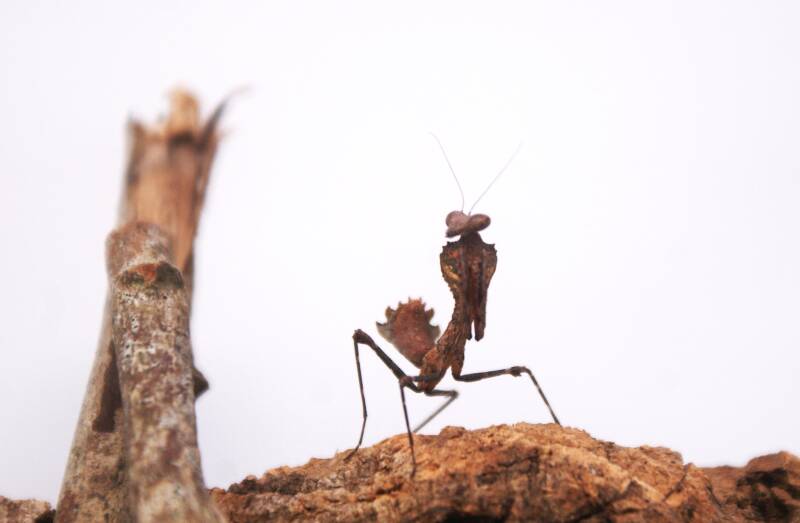
PRO Research is where curiosity meets evidence. Here you'll find our white papers, technical publications and long-form research exploring behavioural ecology, natural history and welfare science. These are the ideas, observations and evidence that underpin everything we do at PRO Herpetology.
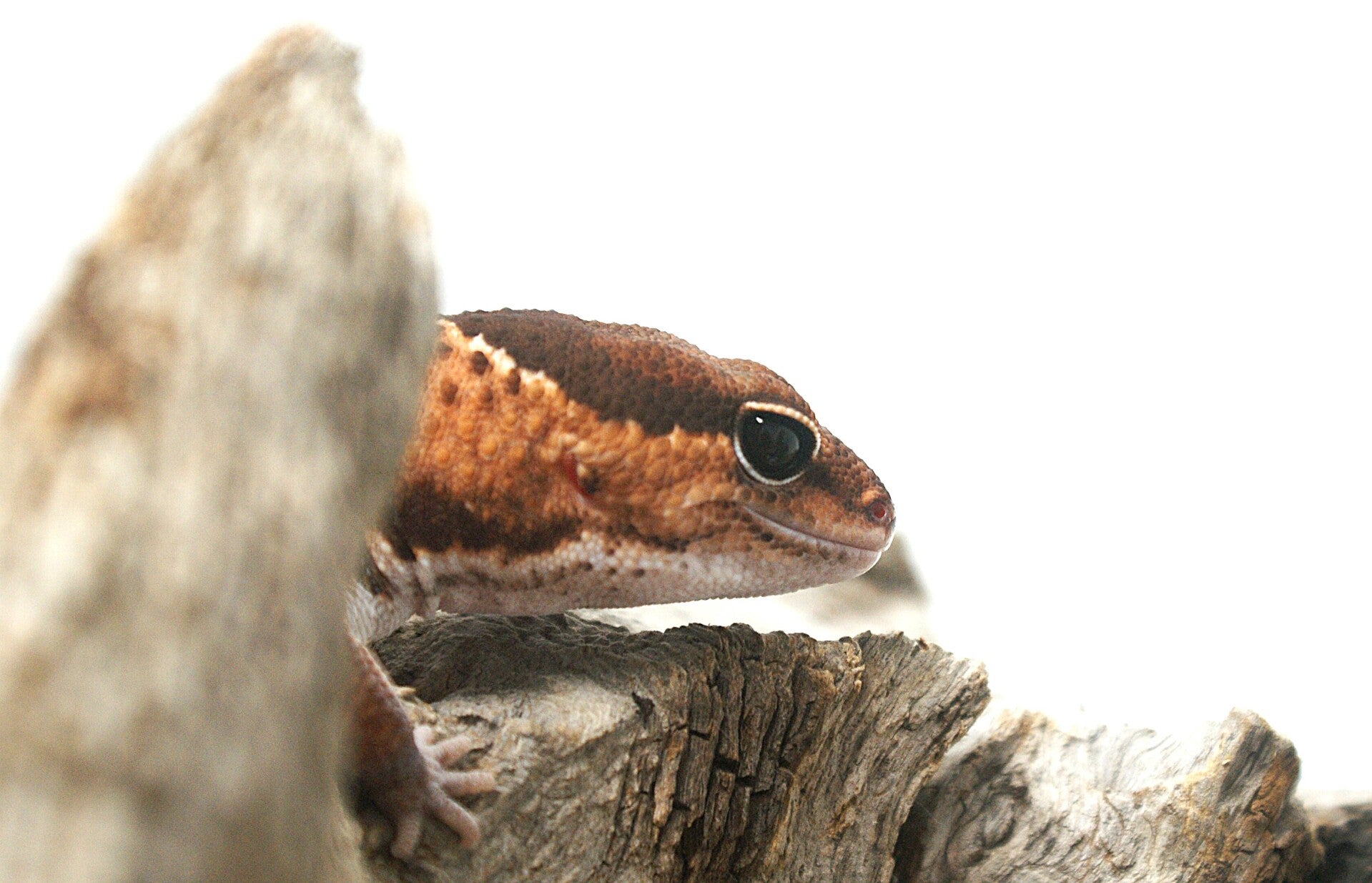
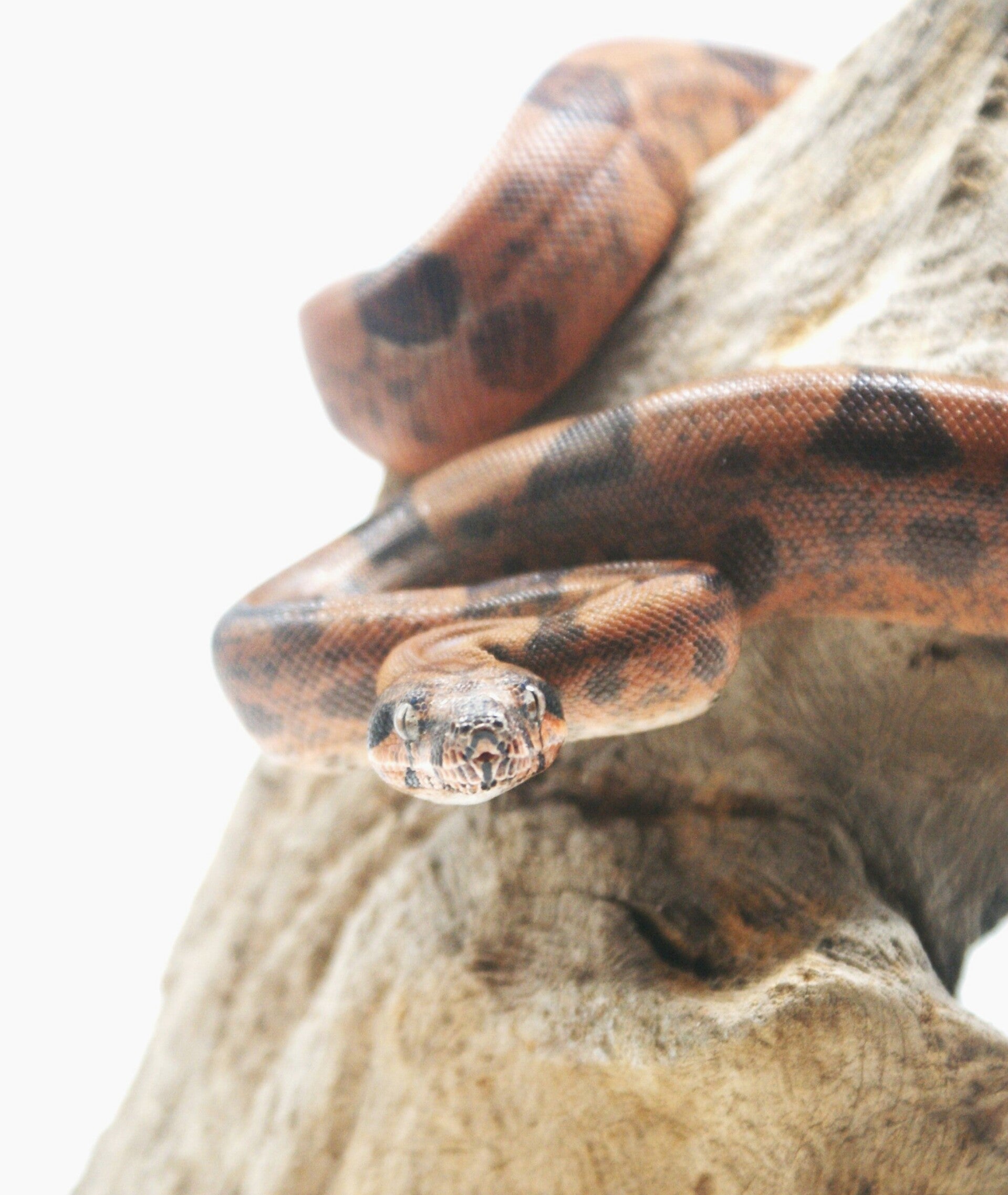
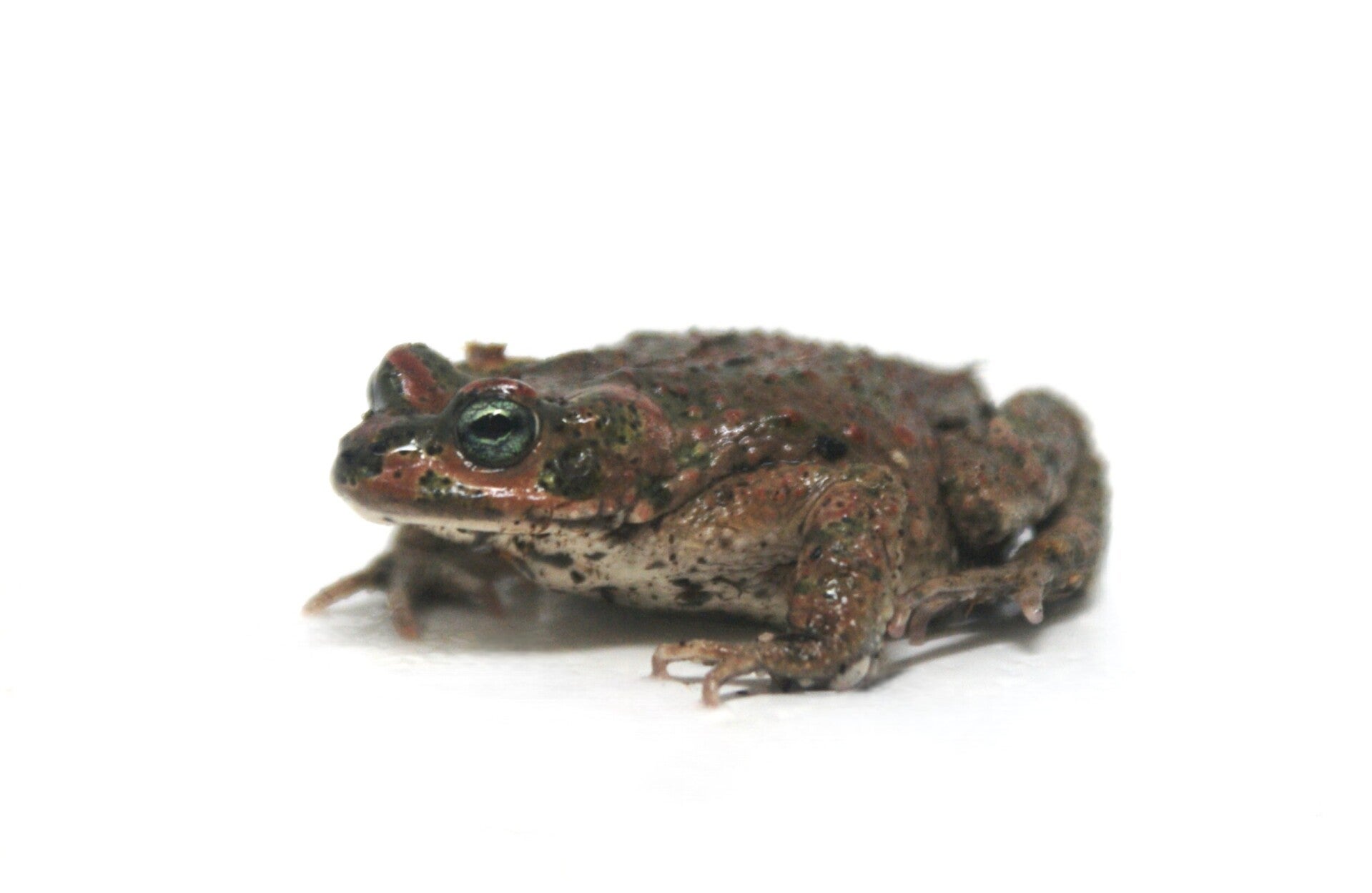
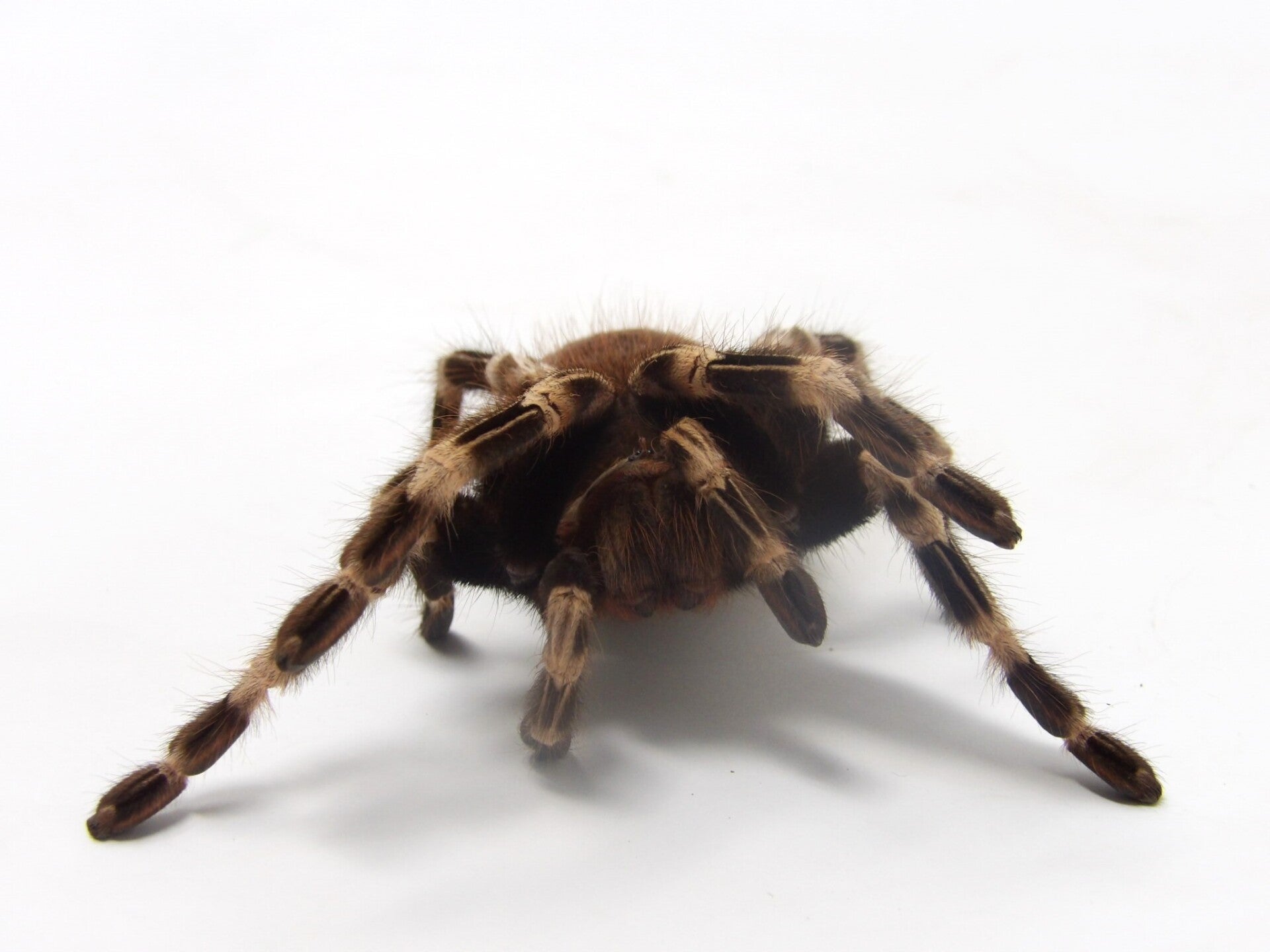
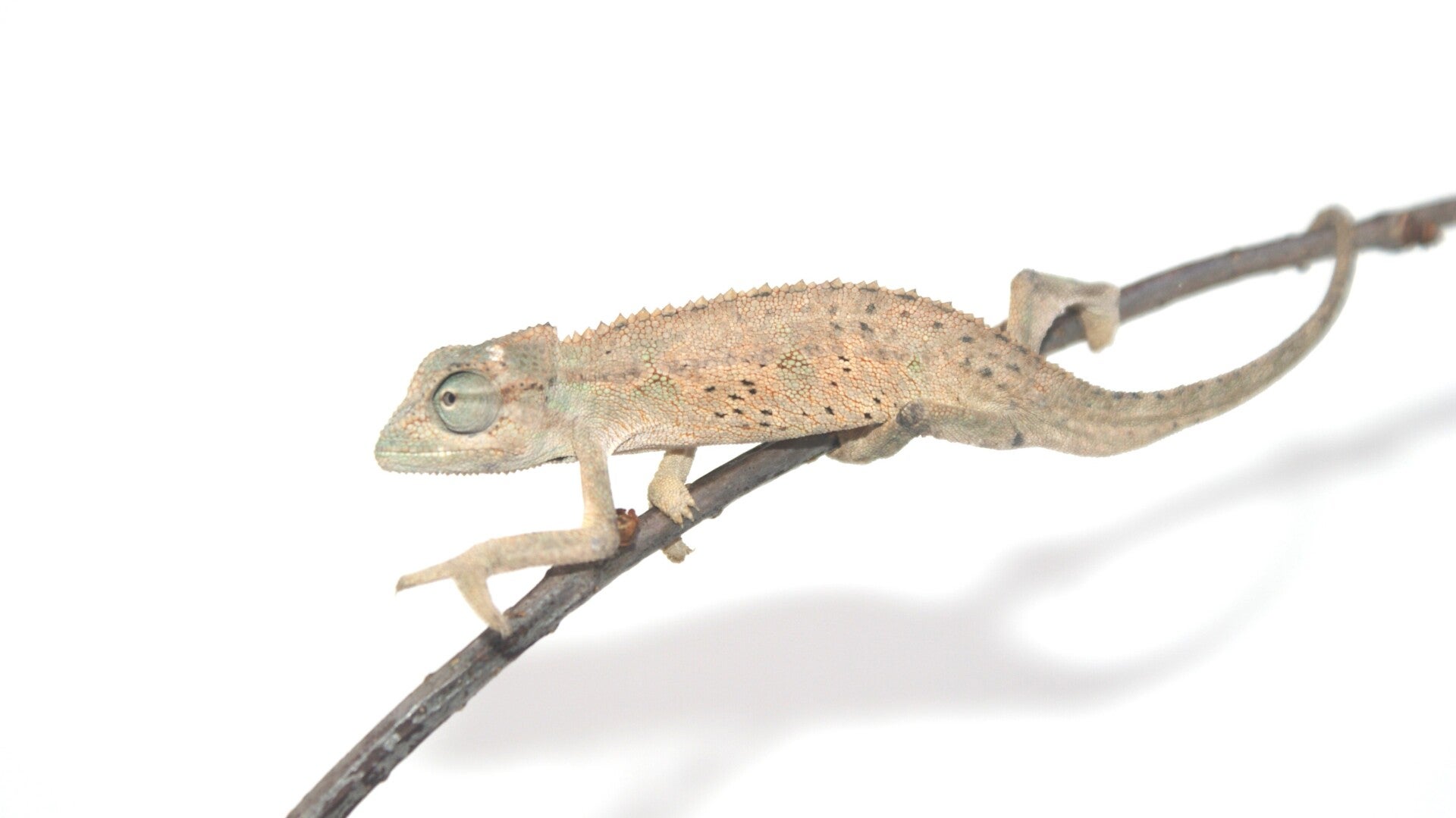
The Behavioural Affordance Framework
This paper has been a long time coming.
It began with a deceptively simple question: what can we really infer from the behaviour of a captive animal if its environment never gave it the opportunity to behave differently?
What followed was a much larger exploration of natural history, behavioural ecology, welfare science, individual variation and the environments we construct for captive reptiles.
The result is the Behavioural Affordance Framework: a conceptual and testable approach to examining not simply what an enclosure contains, but what that environment actually allows an individual animal to do—and what evidence is required before we can conclude that those opportunities matter to its welfare.
This is not an argument for complexity for complexity's sake, nor a rejection of simple or restrictive husbandry. It is an argument for something considerably less comfortable:
that our assumptions should remain testable, and that the animal must ultimately be allowed to provide part of the answer.
Illusions of Stress-Free Captivity is presented here as a working scientific framework, open to testing, criticism and revision.